Subjects
A Level Subjects
Art & Design
The Course
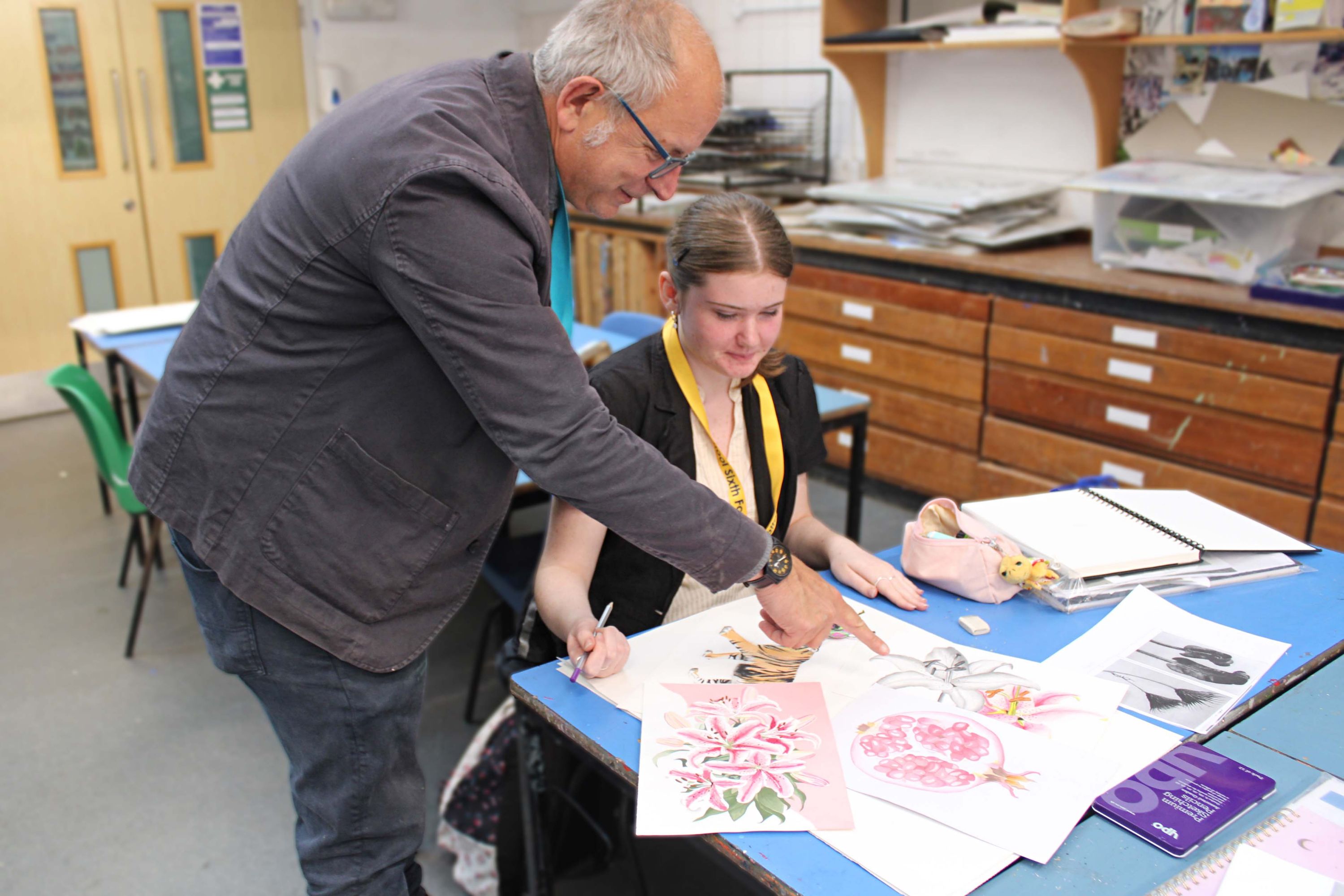
- A level Art and Design builds on the skills and knowledge students have developed in previous years.
- The course has been designed to encourage all learners to develop independence based around personal experiences and critical thinking.
- It provides an opportunity for learners to take a personal interest in why art and design really matters.
Assessment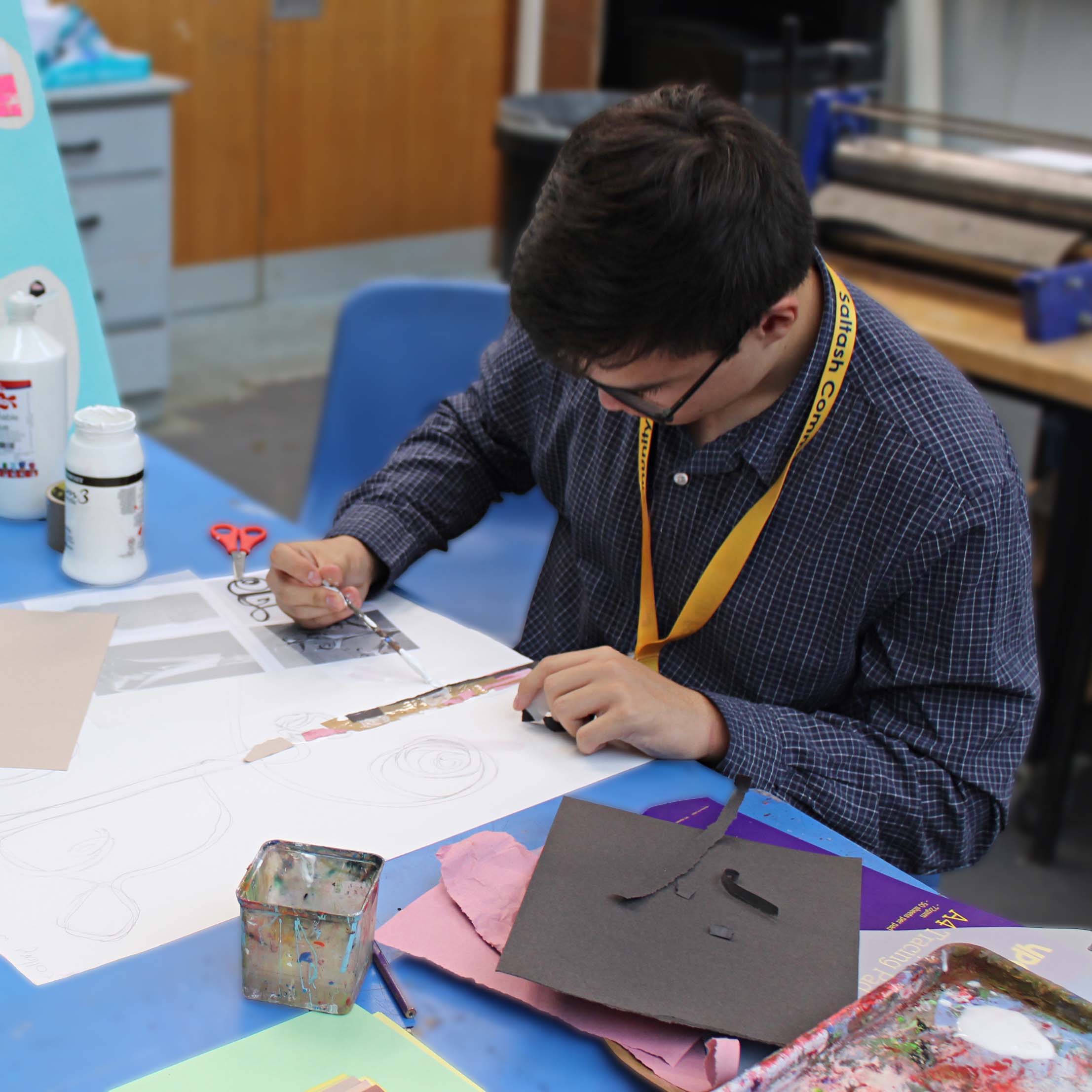
This is a practical portfolio with supporting contextual research in which the learner is expected to develop a personal response based on their chosen theme.
Learners are required to establish a written response to any related study that supports their chosen practical portfolio.
The exam paper will be given to learners on the 1st of February. They then have a minimum of 6 weeks to prepare prior to a 15 hr practical exam.
Entry Requirements
- GCSE grade 6 or above
Future Destinations
- Higher education and benefit to careers
- Designers of the future
- Creative art courses

Biology
The Course
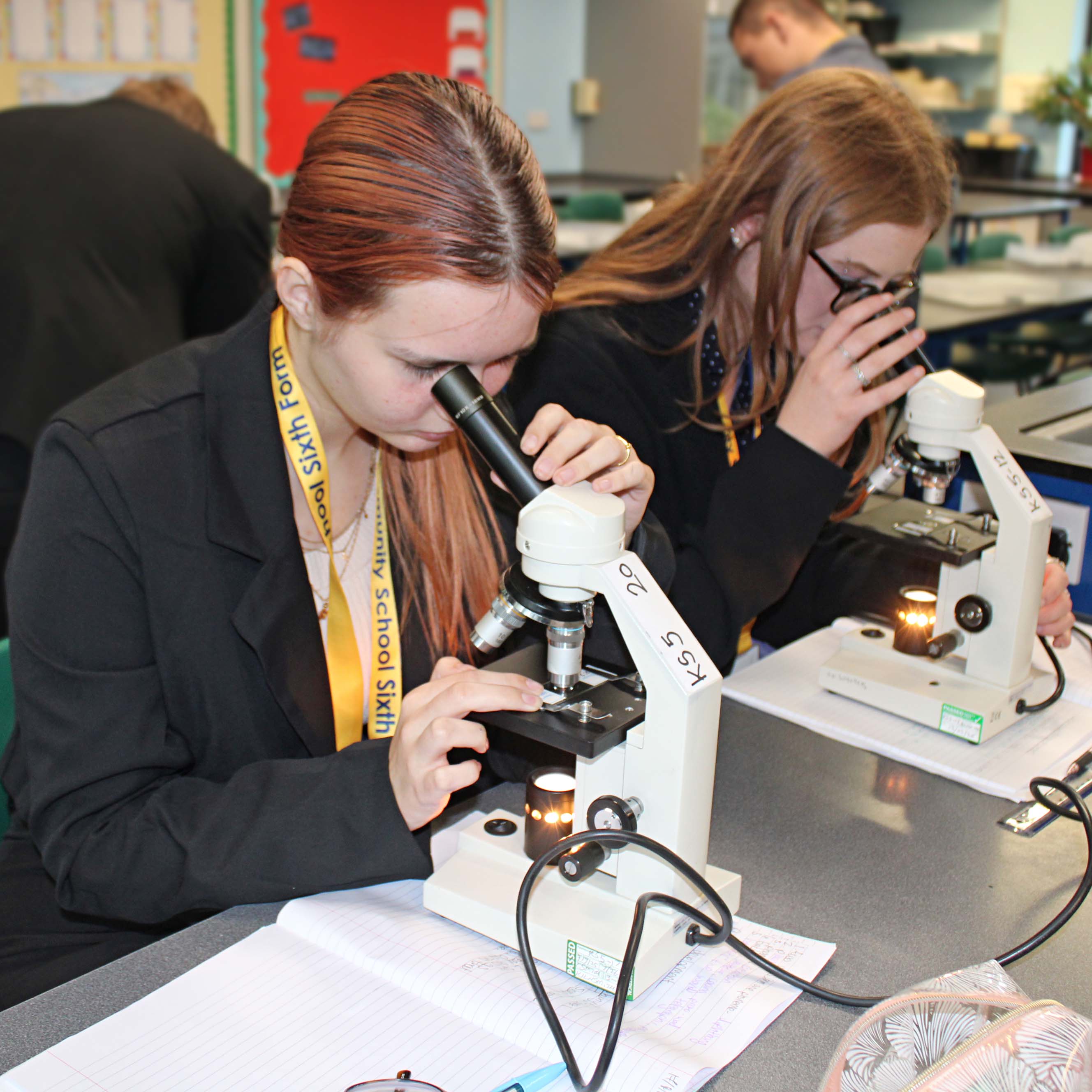
Biology is a fascinating subject, the study of which will see you learn about the natural world and all the living things within it.
Gaining an A level in this subject opens up a vast range of opportunities for both university degrees and career options, many of which can take you all around the world.
Biology covers a broad range of topics and has aspects to interest a wide range of students. Biology is a pre-requisite subject for many degrees in Biological Science and Medical related fields of study.
The main units we study in this course are: Practical Skills, Foundations in Biology, Exchange and
Transport, Biodiversity Evolution and Disease , Communication, Homeostasis and Energy, Genetics, Evolution and Ecosystems
 Assessment
A level Biology is only available as a linear course, which means that 100% of the assessment will take place at the end of the course.
Progression tests at the end of year 12 and mocks are used to assess and support progress during the course and there are 12 core practical experiments.
3 final exams cover all topics over the 2 years.
10% of the marks will be related to mathematical skills.
A focus on practical work in one of the papers.
Literacy will be assessed in long answer questions.
Entry Requirements
- Grade 6 in Biology or Combined Science (Higher tier)
- Grade 5 in GCSE Maths (Higher tier)
- Students need to be prepared to work hard and to be organised, independent, resourceful and willing to persevere when encountering difficulty
Future Destinations
Medical professions, Pharmacy, Physiotherapy, Biomedical engineering, Research science (life
sciences), Microbiology, Marine biology, Conservation, and ecology, Environmental management, Food science, Agricultural engineering, Zoology.
The transferable skills developed would also be useful in a diverse range of careers including: law, business analysis, psychology (Biology is a requirement for some Psychology degrees)
Chemistry
The Course
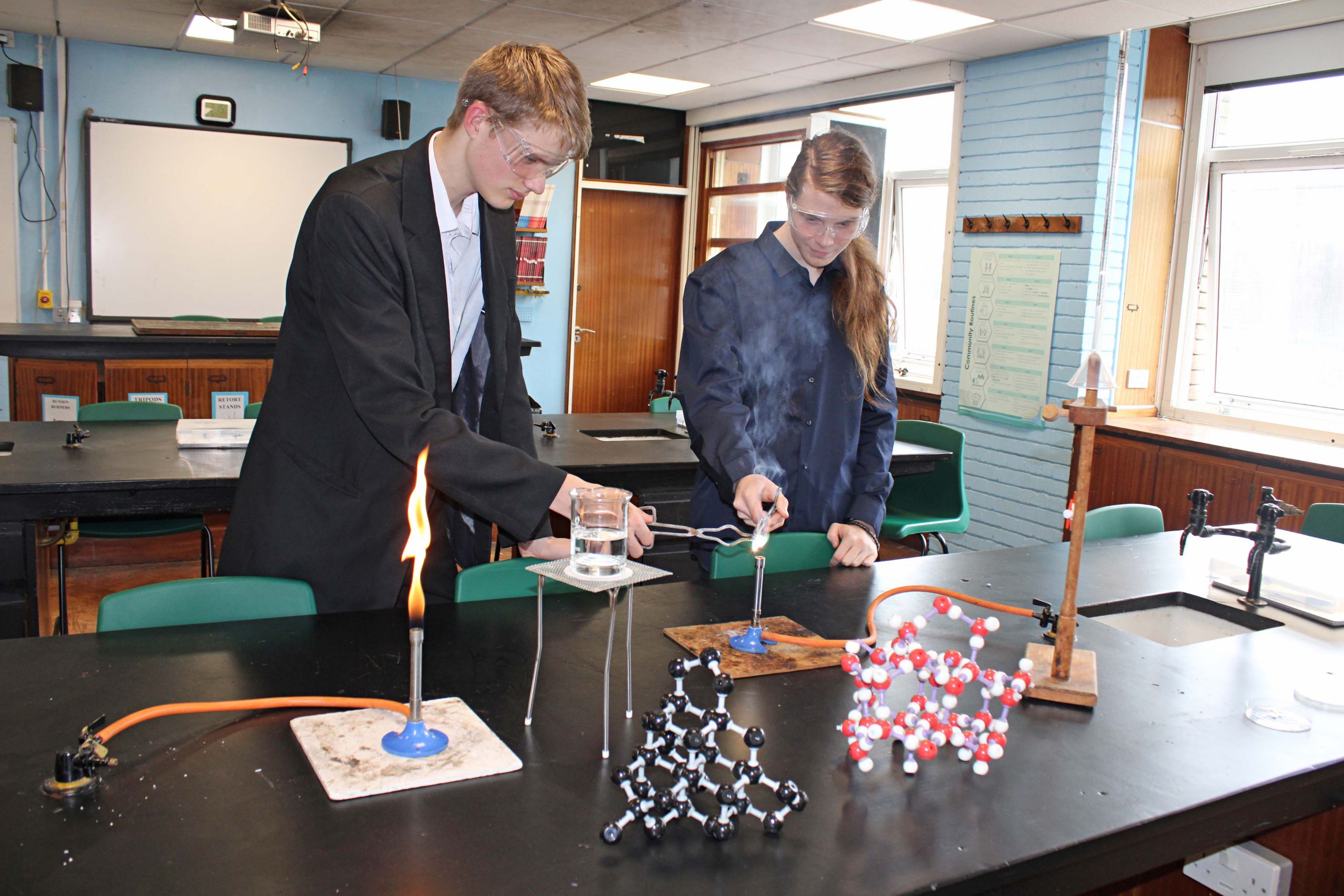
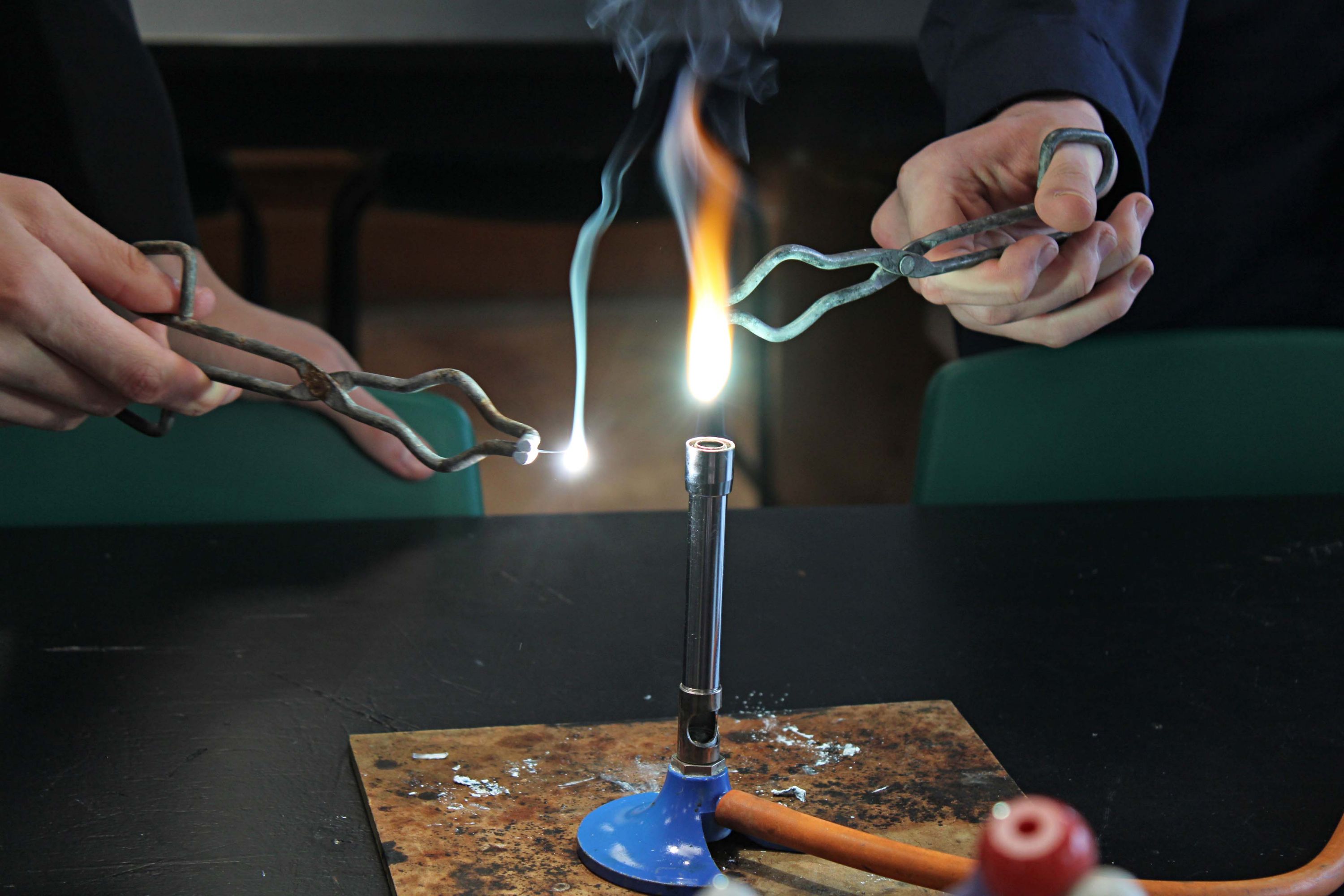
This qualification engages students by presenting chemical ideas and practical skills in a variety of contexts, relating modern-day applications of chemistry and current research to the concepts needed for the study of chemistry at A level.
The units we teach are: Elements of Life, Developing Fuels, Elements of the Sea, The Ozone Story, What’s in a Medicine?, The Chemical Industry, Developing Metals, Polymers and Life, Oceans and Colour by Design.
Assessment
A level Chemistry is only available as a linear course, which means that 100% of the assessment will take place at the end of the course.
Progression tests at the end of year 12 and mocks are used to assess and support progress during the course and there are 12 core practical experiments.
3 final exams cover all topics over the 2 years.
20% of the marks will be related to mathematical skills.
A focus on practical work in one of the papers.
Literacy will be assessed in long answer questions.
Entry Requirements
- Grade 6 in Chemistry or Combined Science (Higher tier)
- Grade 5 in GCSE Maths (Higher tier)
- Students need to be prepared to work hard and to be organised, independent, resourceful and willing to persevere when encountering difficulty.
Future Destinations
Drug design, Veterinary sciences, Volcanology, Charity sectors, Professions allied to medicine,
Physiology, Meteorology, Nursing, Nuclear engineer, Genetics, Toxicologist, Midwifery, Science writer, Radiology, Forensics. Chemistry is also widely regarded as a fantastic A level to have and so supports careers in other fields such as International relations, Law and Accountancy.
Computer Science
The Course
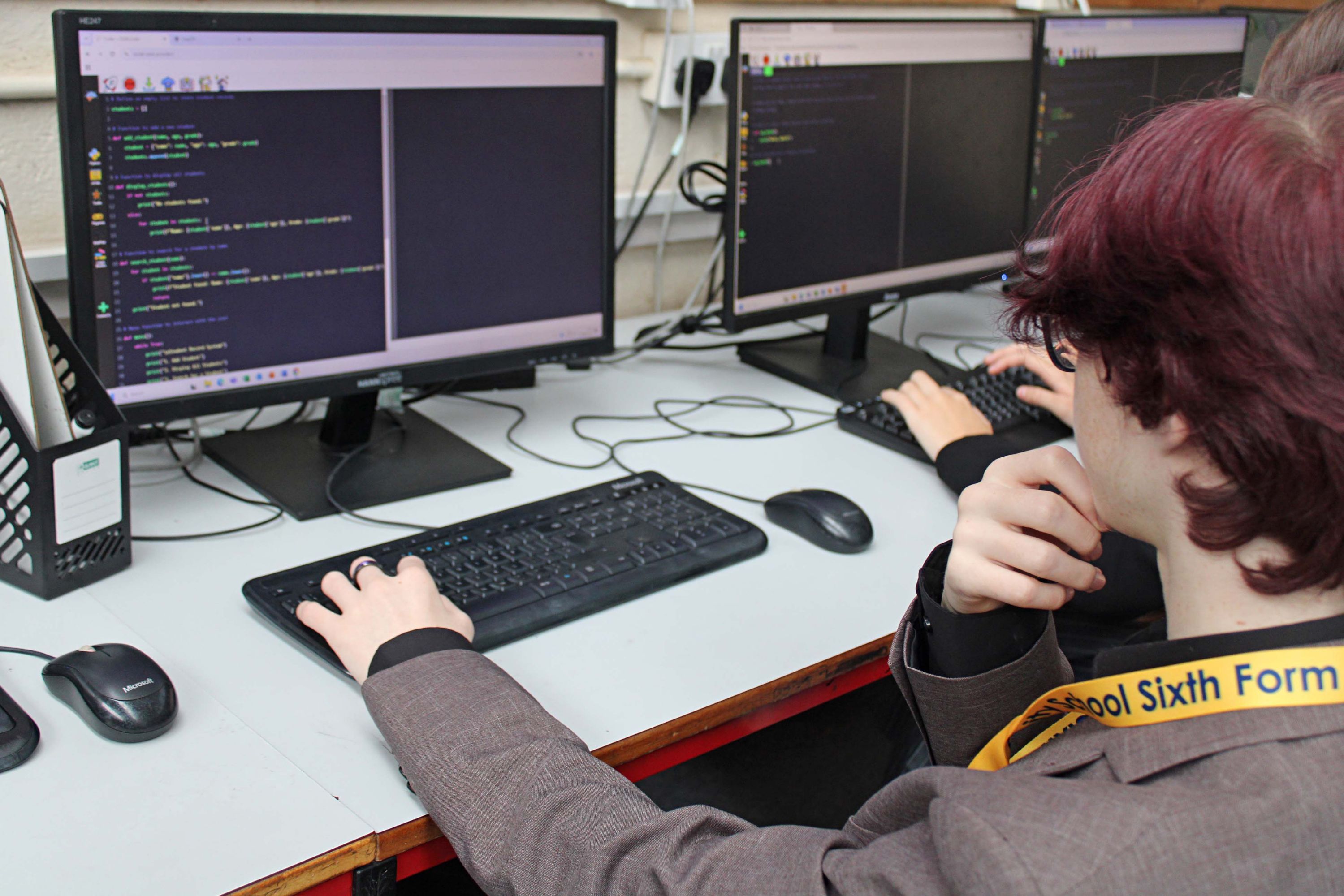
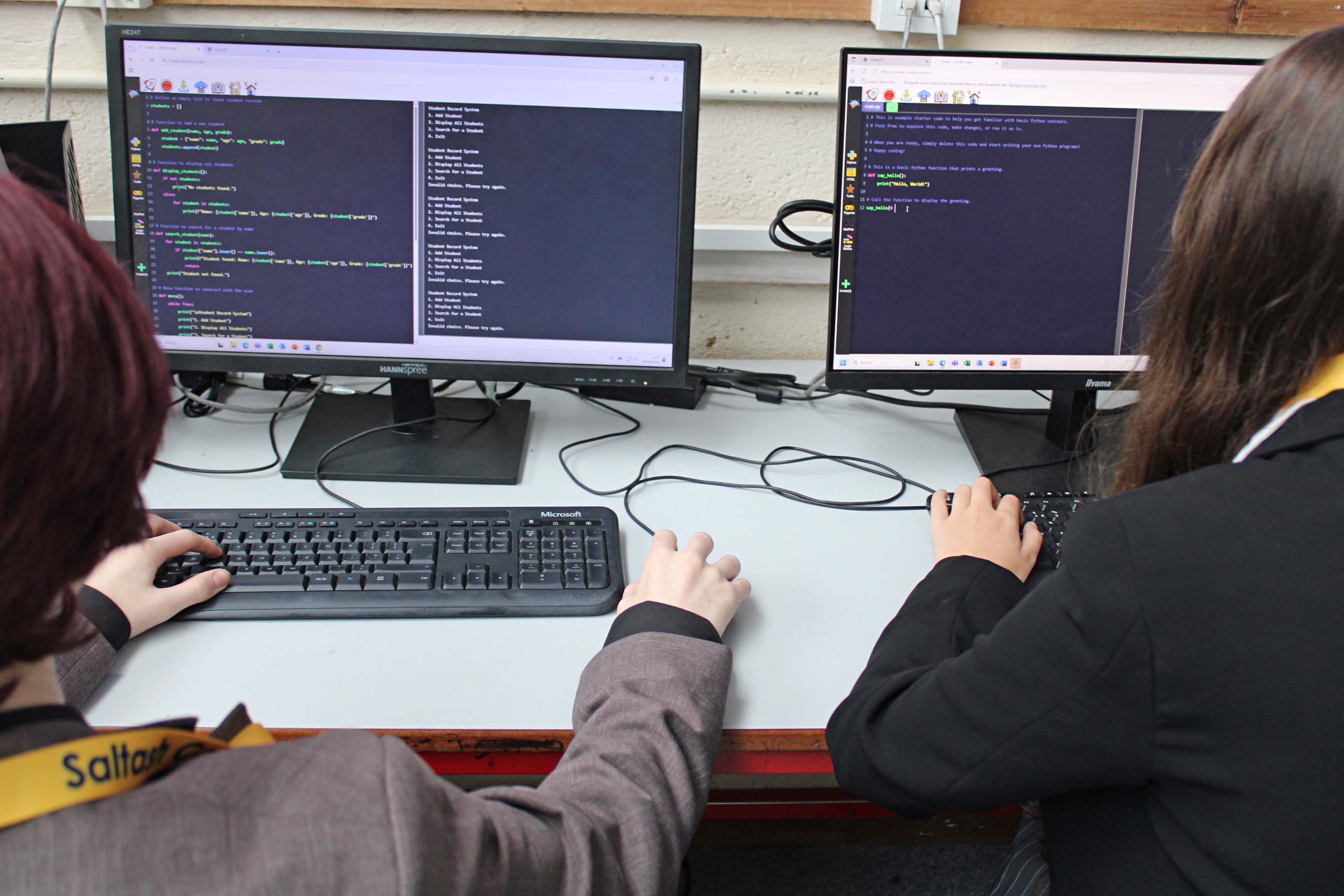
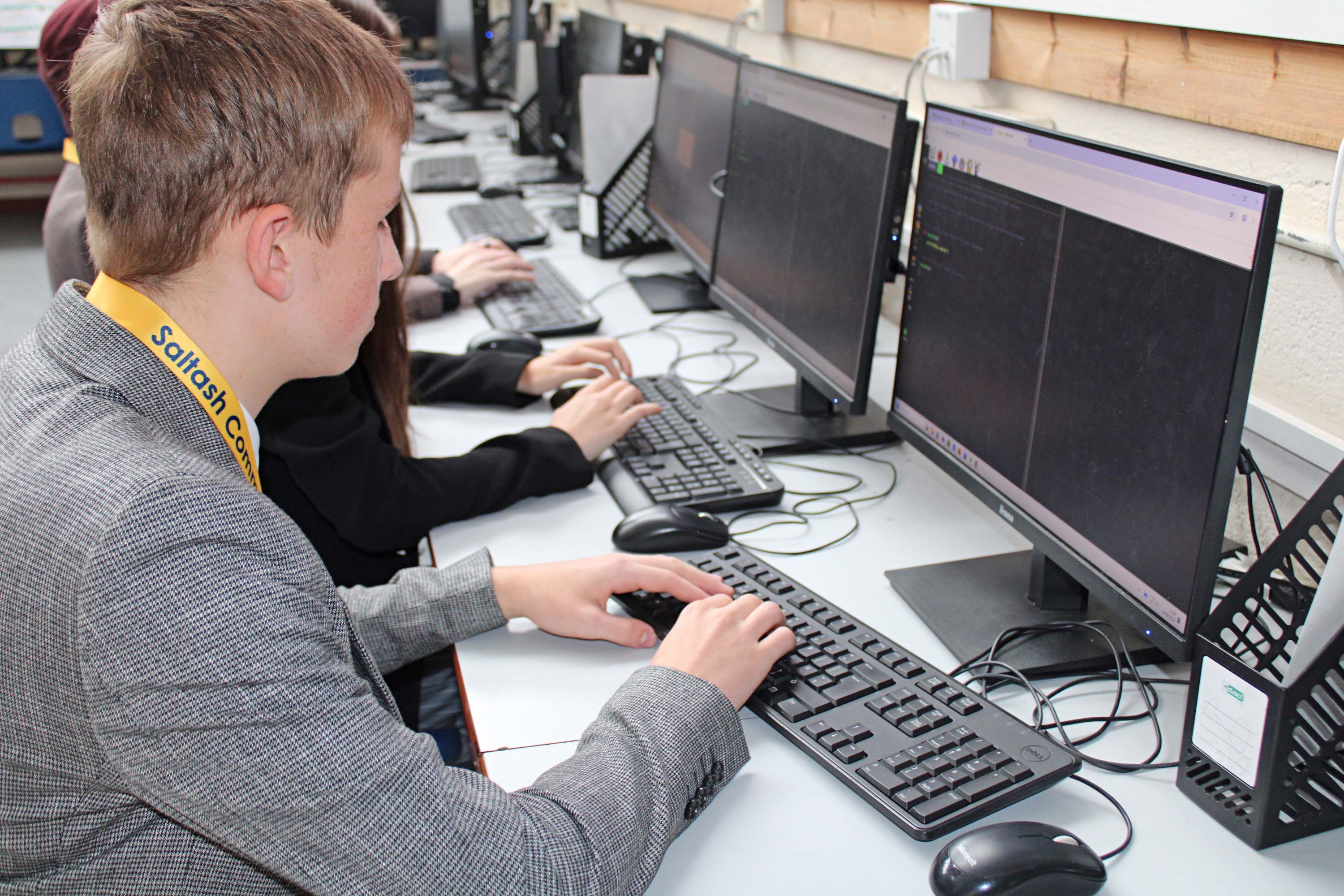
This Computer Science qualification focuses on computational thinking, helping students to develop the skills to solve problems, design systems and understand the power and limitations of human and machine intelligence: these are the concepts that lie at the heart of our Computer Science qualification. This qualification will best prepare students who want to go on to study Computer Science at a higher level and will also provide a good grounding for other subject areas that require computational thinking and analytical skills.
 Assessment
- Paper 1: Computing Principles: 2 hrs 30 mins, 40% of final grade
- Paper 2: Algorithms and Problem Solving: 2 hrs 30 mins, 40% of final grade
- Programming project – students’ choice, 20% of final grade
Entry Requirements
- A grade 4 or above in GCSE Computer Science
Future Destinations
Computer Science is highly valued in many careers that require problem-solving and analytical and computational thinking. This qualification enables students to develop the skills to solve problems and design systems whilst understanding the power and limitations of human and machine intelligence.
Computer Science can be studied at university on its own or with various other subjects. The skills developed in Computer Science are used in almost every job or area of life but lend themselves specifically to games and software development, engineering and IT-based analysis and forensics.
Design Technology
The Course
- Technical Principles;
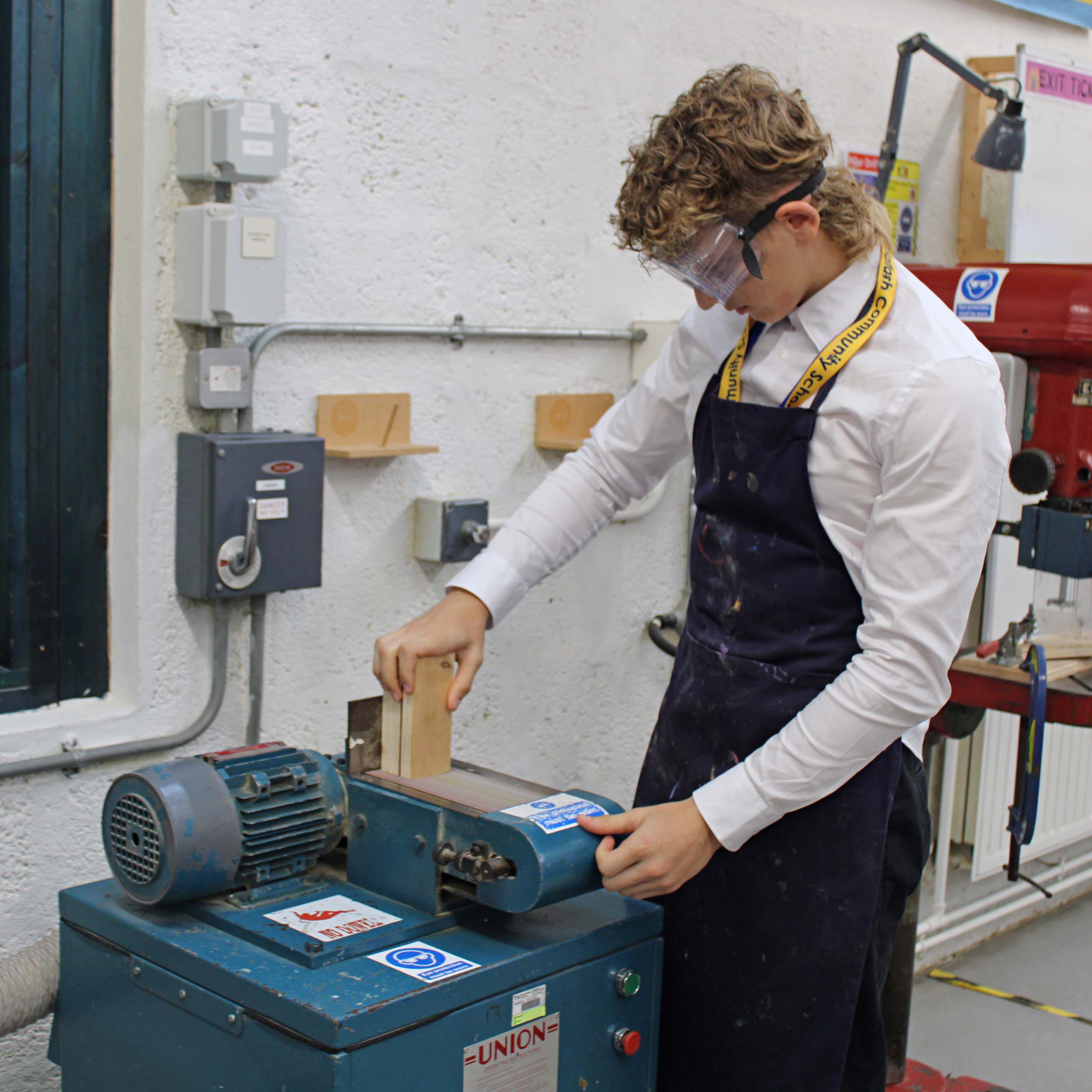
- Both practical and theoretical study of a range of materials. Exploring content from computer-aided design to smart materials.
- Designing and Making Principles
- Design methods, their influences as part of the iterative design cycle.
Assessmen
Paper 1:
What’s assessed
- Technical principles
- Designing and making principles
- Specialist knowledge
How it’s assessed
- Written exam: 2 hrs
- 100 marks
- 25% of A level
Questions
Mixture of short answer, multiple choice and extended response questions
Paper 2:
What's assessed
- Technical principles
- Designing and making principles
- Specialist knowledge
How it’s assessed
- Written exam: 2 hrs
- 100 marks
- 25% of A level
Questions
Section A: Product analysis
- 40 marks available
- Up to six short answer questions based on visual stimulus of product(s)
Section B: Commercial manufacture
- 60 marks
- Two extended response questions worth a total of 30 marks each
Entry Requirements
- GCSE grade 5 and above
Future Destinations
Animator
Carpenter
Fashion
Computing
Photography
Media
Illustration
Prosthetics
Theatre set design
Project manager
Architect
Engineer
Graphics
English Language
The Course
This specification is designed to foster learners’ independence as they explore English Language in a variety of contexts. It provides learners with opportunities to develop a wide and deep knowledge of the systems of the English language and of issues relating to language and its uses. Throughout this course, learners are presented with opportunities to develop their own creativity, both in the ways they think about language and in the ways they develop expertise in using language to communicate in different ways. In a world where artificial intelligence is becoming more dominant, understanding the importance of and mastering the skill of human communication is more vital than ever.
Students are able to select AS Language as a one-year course, and are advised to speak with the course leader to discuss this.
Assessment
- Component One: Language Concepts and Issues. 2 hrs exam worth 30% of the qualification.
- Component Two: Language Change Over Time. 2 hrs 15 mins exam worth 30% of the qualification.
- Component Three: Creative and Critical Use of Language. 1 hrs 45 mins exam worth 20% of the qualification.
- NEA – Component Four: Language and Identity – A 2500 - 3500 word investigation on one of the following topics: language and self-representation; language and gender; language and culture; or language diversity.
- This NEA is worth 20% of the qualification.
Entry Requirements
- GCSE in English Language at a grade 5 or higher
Future Destinations
This course develops the skills required to write dissertations at a university standard and students will learn Harvard referencing, which will support any university application.
Career opportunities: Advertising copywriter; Social Media Executive; Web Content Manager;
Corporate Communications; Speech Writer; Publishing Executive; Public Relations; Grant Writer;
Novelist and Journalist.
English Literature
The Course
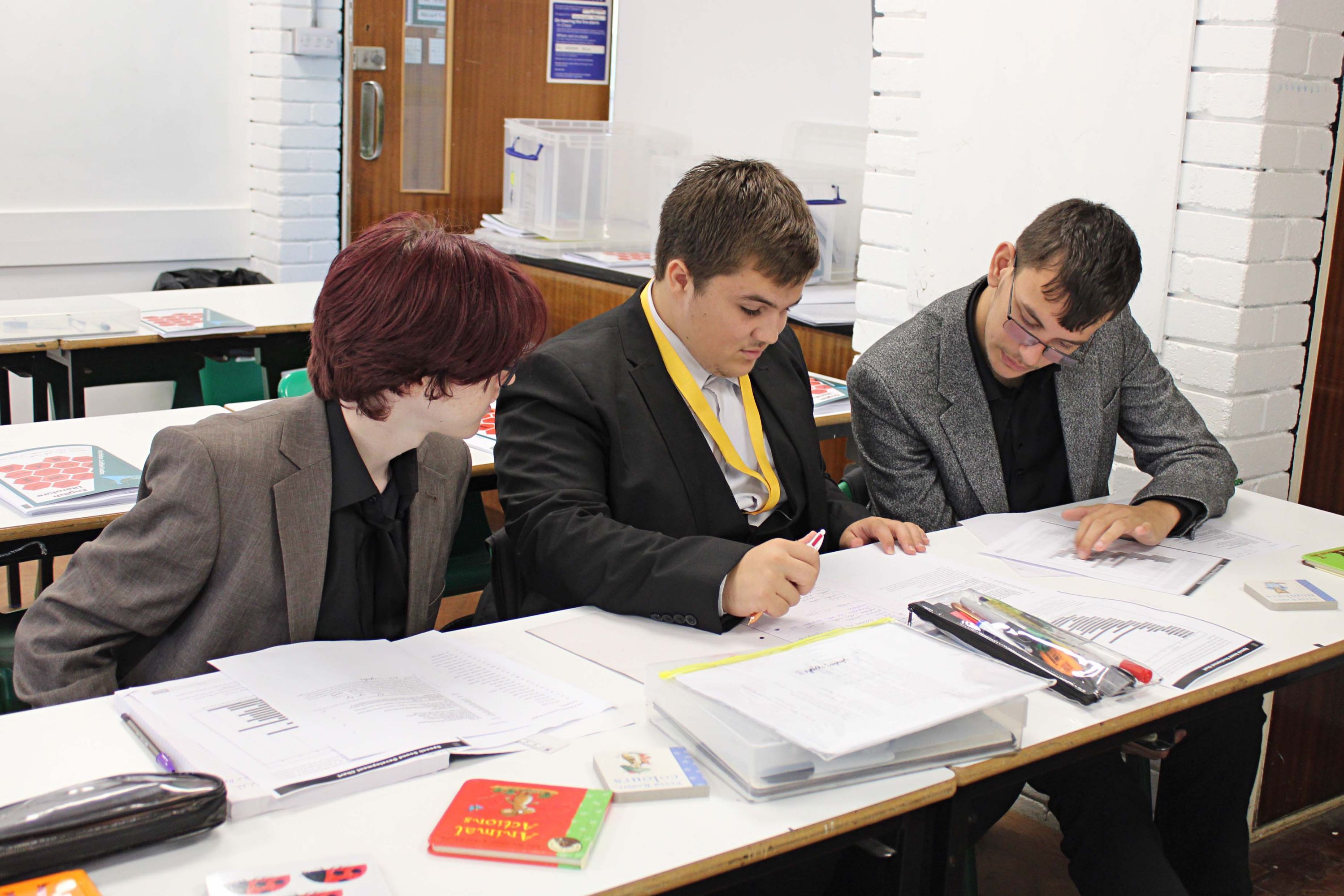
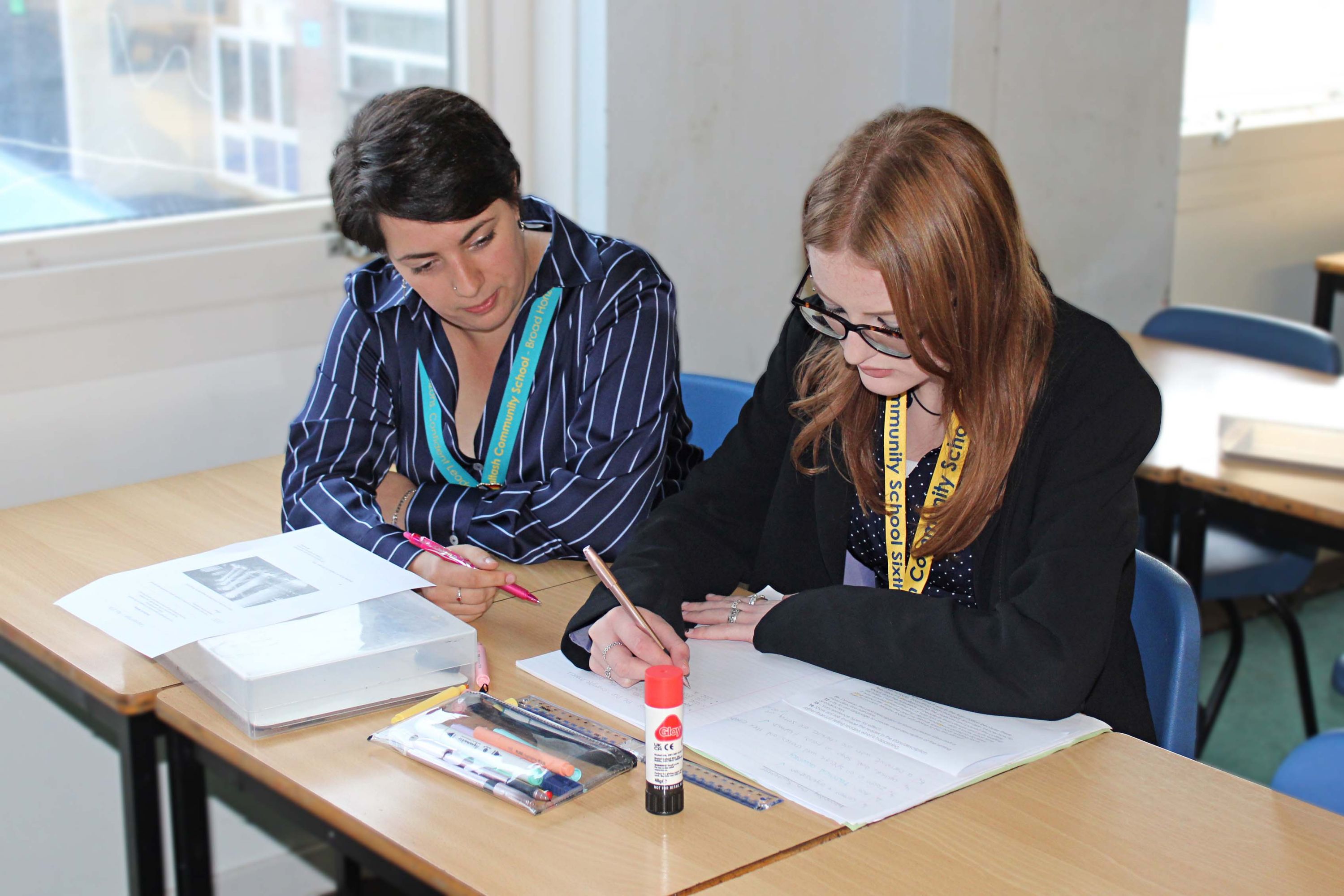
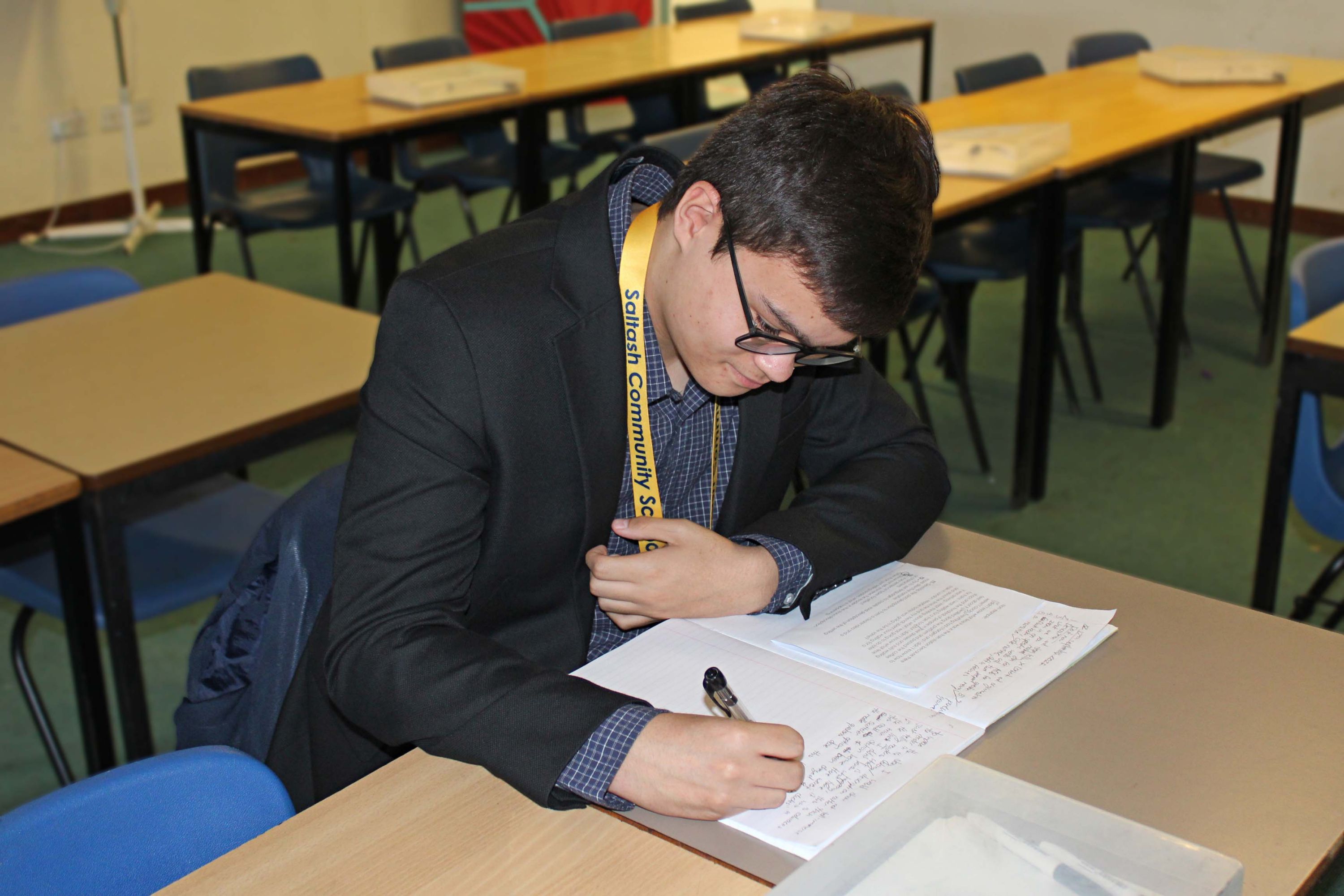
The A level Literature course really enhances a love of reading as we discuss a range of engaging and thought-provoking texts. Whether it's debating if Othello remains as a hero or if Dracula is really the being we fear, students who take this A level explore a rich and diverse range of literature. Learners are able to establish their own perspectives and arguments on the texts that we study and enjoy lively debates around the questions that these texts pose. Students consider the contexts in which the texts were published and what the wider world of literary critics have to say on them. Our students go out into the world, empowered by their literary skills and their love of a good book.
Students are able to select AS Literature as a one-year course, and are advised to speak with the course leader to discuss this.
Assessment
Component 1: Drama paper exploring two plays, worth 30% of the qualification. 2 hrs 15 mins.
Component 2: Prose paper exploring two novels, worth 20% of the qualification. 1 hr 15 mins.
Component 3: Poetry paper exploring Modern and Romantic poetry, worth 30% of the qualification. 2 hrs 15 mins.
NEA: Exploring two literary texts in detail, focusing on personal interest, worth 20% of the qualification.
Entry Requirements
- GCSE grade 5 in English Literature
- A love of reading
Future Destinations
- A level Literature gives students a strong foundation for writing dissertations at university level, equips them with the ability to read and research widely, and enables them to use Havard referencing.
- Career opportunities: Editor, Publisher, Novelist, Journalist, Teacher, Marketing and Public Relations, Bookseller, Lexicographer, Librarian, Paralegal, Social Media Manager, Education Consultant, Advertising Copywriter, Content Manager.
French
The Course
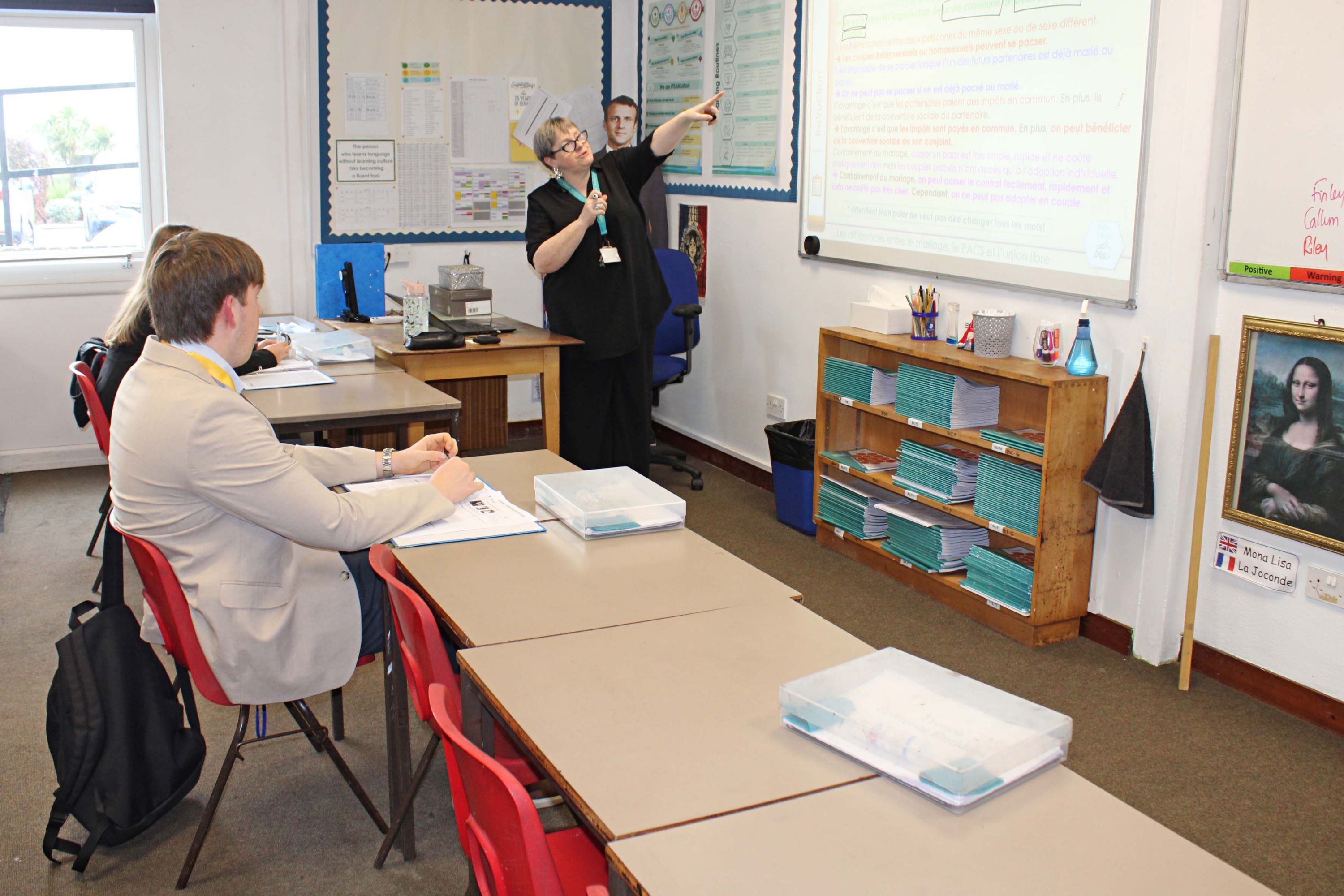
The French A level course is an in-depth and varied approach to studying the French language and cultural aspects of various French-speaking countries. Topics you will be learning about are everyday life in francophone countries, society, music and cinema, art, technological development, or politics – all in French, which will allow and require you to enhance your language skills to perfection.
Additionally, we will be encountering at least one piece of French literature and a French film in detail, and we will learn how to interpret these in an essay which forms part of your assessment.
There are thought-provoking topics for heated French discussions and debates and for you to develop a passion and very specific interests while continuing to learn a foreign language to a very high standard. You will be asked to explore one of your favourite subject matters thoroughly in your individual research project towards the end of the course.
The French A level course widens your cultural horizon and allows you to develop a French view of our everyday world and prepares you well for studying French at university level or to go abroad to study, work or even live.
 Assessment
Paper 1: listening comprehension / reading comprehension / writing (summary, translation); 2h
30 mins, 50% of the total mark
Paper 2: writing – essay; 2 hrs, 20% of total mark
Speaking exam: Discussion of sub-theme through stimulus card and questions / IRP – (individual research project), presentation and follow-up discussion; 21-23 mins, 30% total mark
Entry Requirements
- GCSE Higher, ideally a grade 6-9
Future Destinations
- Studying languages at university level
- Basis for interpreting and translation courses
- Potential to study abroad
- Gap year or living abroad to enhance your cultural horizon further
- Travelling confidently
- Business and industry job roles that require high language proficiency
Further Mathematics
The Course
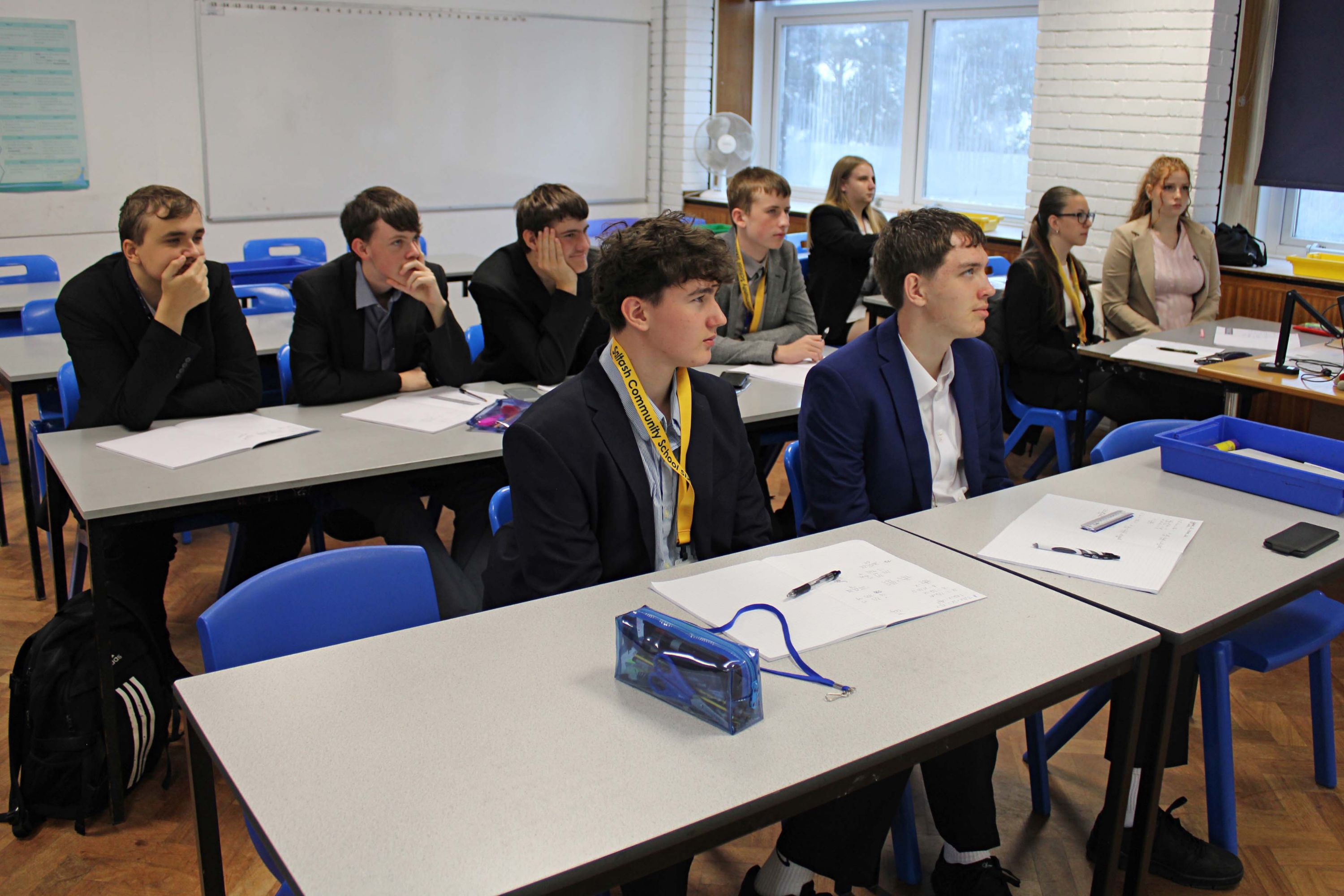
Further Mathematics is designed for students with an enthusiasm for mathematics, many of whom will go on to degrees in mathematics, engineering, the sciences and economics.
The qualification is both deeper and broader than A level mathematics. AS and A level further
mathematics build from GCSE level, AS and A level mathematics. As well as building on algebra and calculus introduced in A level mathematics, the A level further mathematics core content introduces complex numbers and matrices, fundamental mathematical ideas with wide applications in mathematics, engineering, physical sciences and computing. The non-core content includes different options that can enable students to specialise in areas of mathematics that are particularly relevant to their interests and future aspirations. A level further mathematics prepares students for further study and employment in highly mathematical disciplines that require knowledge and understanding of sophisticated mathematical ideas and techniques.
 Assessment
3 x 2 hr assessment papers
Entry Requirements
- Grade 7 or above in GCSE Mathematics
Future Destinations
Studying A level Further Mathematics is excellent preparation for a degree in Mathematics. Many university maths departments encourage students to take Further Mathematics at A level as it introduces a wider range of pure and applied content, such as matrices and complex numbers. Students who have studied Further Mathematics often find the transition to university far more straightforward.
Around a third of Mathematics BSc degree courses mention Further Mathematics in their entry requirements, including it in their A level offers or encouraging students to take it if possible. For the Russell Group universities, this proportion is much higher.
Geography
The Course
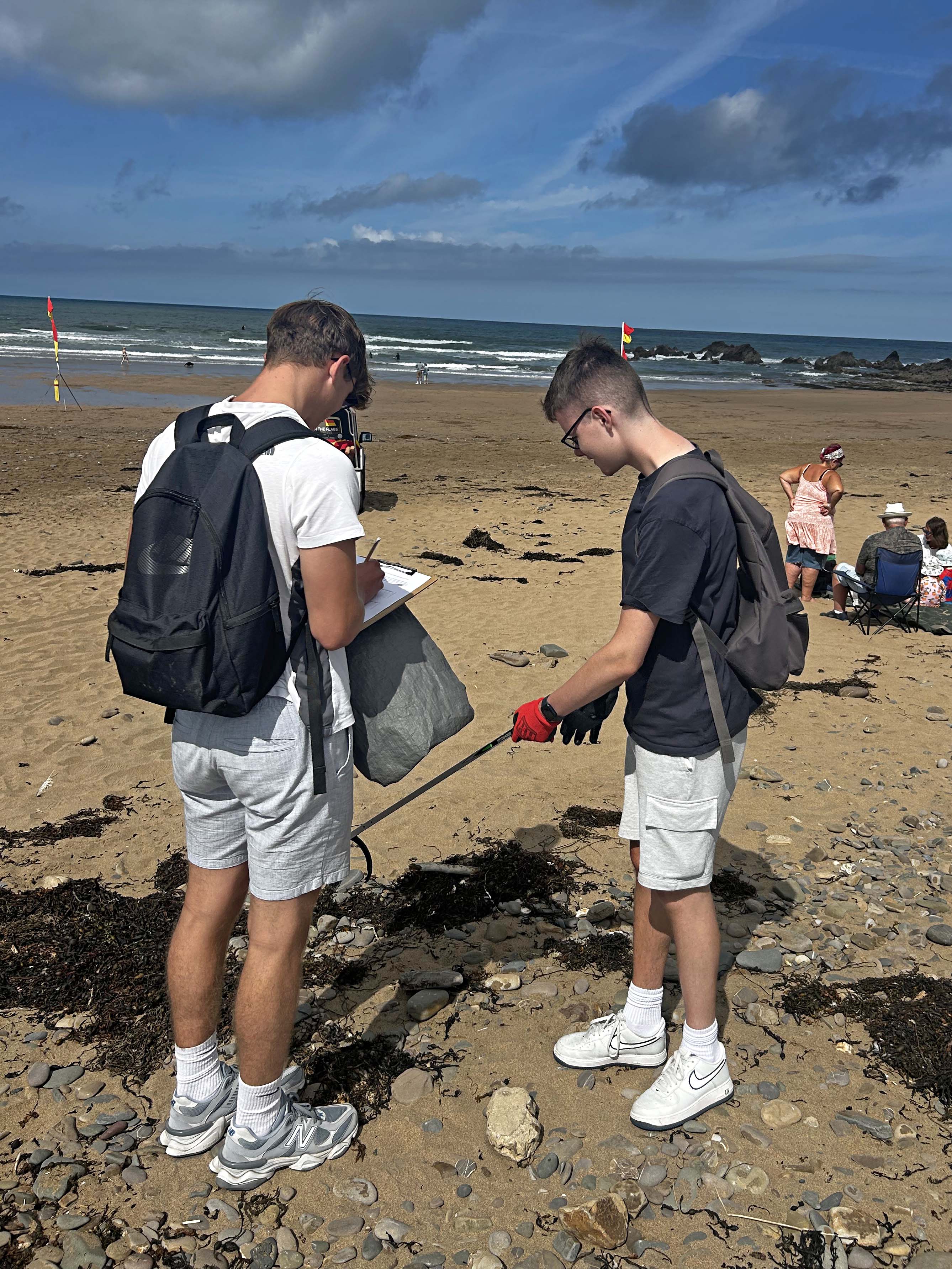
We believe that geography is the most important and empowering subject, and endeavour to inspire awe and wonder in our students while fostering a deep understanding of both local and global geography. Through our curriculum, we aim to empower students to recognise the possibilities of their choices, underpinned by core concepts of space, place, time, and geographical skills. Our aim is to provide an ambitious and equitable experience for our learners, to fill the cultural deficit, to improve life chances and to provide social justice. We equip students with the knowledge, skills, and values necessary to navigate an interconnected world with empathy and resilience, cultivating well-rounded and well-informed global citizens.
 Assessment
Paper 1: Physical systems - 1 hr 30 mins - 22%
Paper 2: Human interactions – 1 hr 30 mins - 22%
Paper 3: Geographical debates - 2 hrs 30 mins - 36%
Independent investigation – NEA - 20%
Entry Requirements
- GCSE grade 6
Future Destinations
Studying Geography equips you with a diverse set of transferable skills valuable for both the future and the workplace. These include research and data collection, analysis and evaluation, as well as mathematical and computational abilities. You’ll also develop IT skills, proficiency in written and oral communication, and problem-solving capabilities. The field fosters creative thinking, the ability to work both independently and collaboratively, and skills in incorporating ideas and reaching consensus. Additionally, it enhances self-motivation, self-reliance, time management, and the ability to meet deadlines.

German
The Course
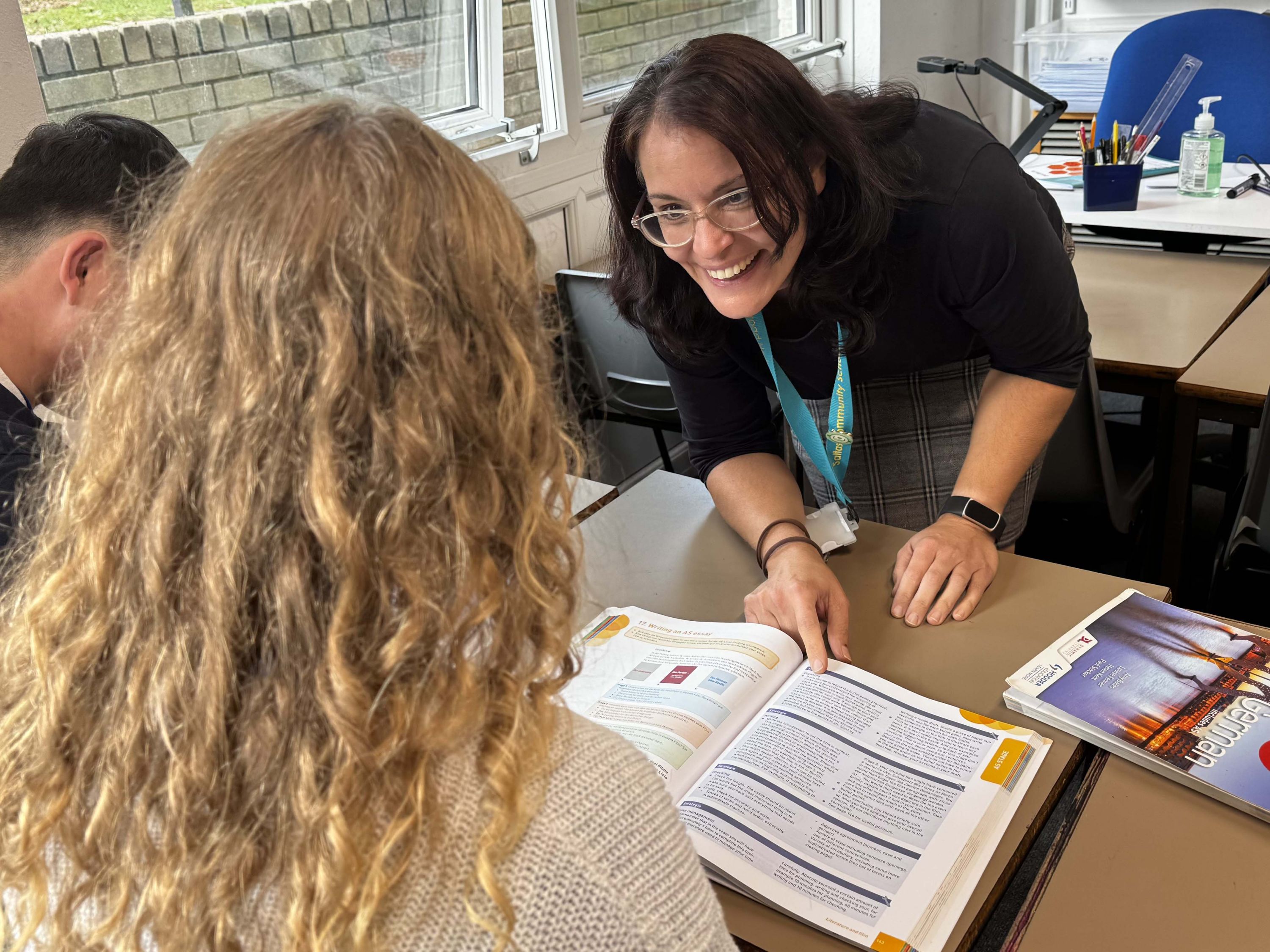
The German A level course is an in-depth and varied approach to studying the German language and cultural aspects of various German-speaking countries. Topics you will be learning about are everyday life in German-speaking countries, society, music and cinema, art, technological development, or politics – all in German, which will allow and require you to enhance your language skills to perfection.
Additionally, we will be encountering at least one piece of German literature and a German film in detail, and we will learn how to interpret these in an essay which forms part of your assessment. There are thought-provoking topics for heated German discussions and debates and for you to develop a passion and very specific interests while continuing to learn a foreign language to a very high standard. You will be asked to explore one of your favourite subject matters thoroughly in your individual research project towards the end of the course.
The German A level course widens your cultural horizon and allows you to develop a German view of our everyday world and prepares you well for studying German at university level or to go abroad to study, work or even live.
 Assessment
Paper 1: listening comprehension / reading comprehension / writing (summary, translation ); 2 hrs 30 mins, 50% of total mark
Paper 2: writing – essay; 2 hrs, 20% of total mark
Speaking exam: Discussion of sub-theme through stimulus card and questions / IRP – (individual research project), presentation and follow-up discussion; 21-23 mins, 30% total mark
Entry Requirements
- GCSE Higher, ideally a grade 6-9
Future Destinations
- Studying languages at university level
- Basis for interpreting and translation courses
- Potential to study abroad
- Gap year or living abroad to enhance your cultural horizon further
- Rravelling confidently
- Business and industry job roles that require high language-proficiency


History
The Course
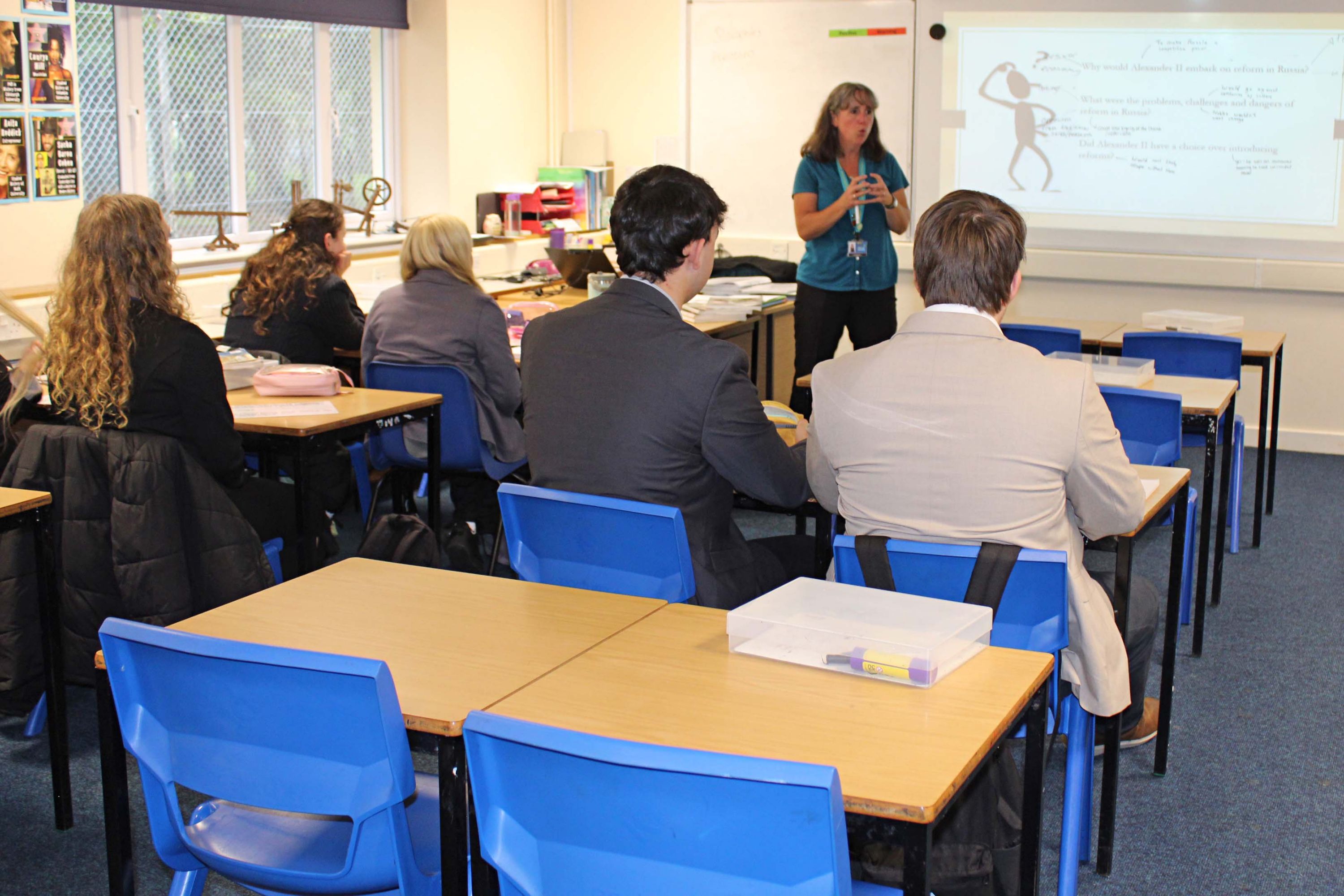
The aim of studying History at A level is to develop a unique perspective on the world by studying its relatively recent past. Across the 2-year course, you will cover aspects of political, social, and economic history. You will study in depth the key changes in Britain since 1945 (Option 2S) whilst the breadth paper covers Tsarist and Communist Russia from 1855 to 1964 (Option 1H). You will also write a personal study utilising your historical skills based on the topic ‘America: A disunited Nation’. There is a focus throughout the course on student involvement through debate and discussion as well as independent study.
By the end of your course, you will have learnt how to communicate complex ideas effectively, to evaluate evidence and interpretations, to analyse information, together with weighing up information.
Assessment
- There are two examinations taken at the end of Year 13:
- Paper 1: Tsarist and Communist Russia (option 1H). You will analyse 3 extracts and write 2 essays in the 2 hrs 30 mins. (40%)
- Paper 2: The Making of Modern Britain (option 2S). You will analyse 3 sources and write 2 essays in the 2 hrs 30 mins. (40%)
- The NEA is an independent study on the topic ‘America: A divided Nation, 1776 – 1896’ worth 20%
Entry Requirements
- Normally, students will have gained a grade 5 or above at GCSE History.
- Students who have not studied GCSE History may be considered, but will normally need a grade 6 or above in English.
Future Destinations
The study of History can be continued at university or used to support the study of other subjects such as Law, Journalism and Politics.
The study of A level History develops a range of skills supporting further education or employment. These skills include the ability to research and evaluate evidence, analyse and present an argument, analyse and evaluate data and critical thinking.

Mathematics
The Course
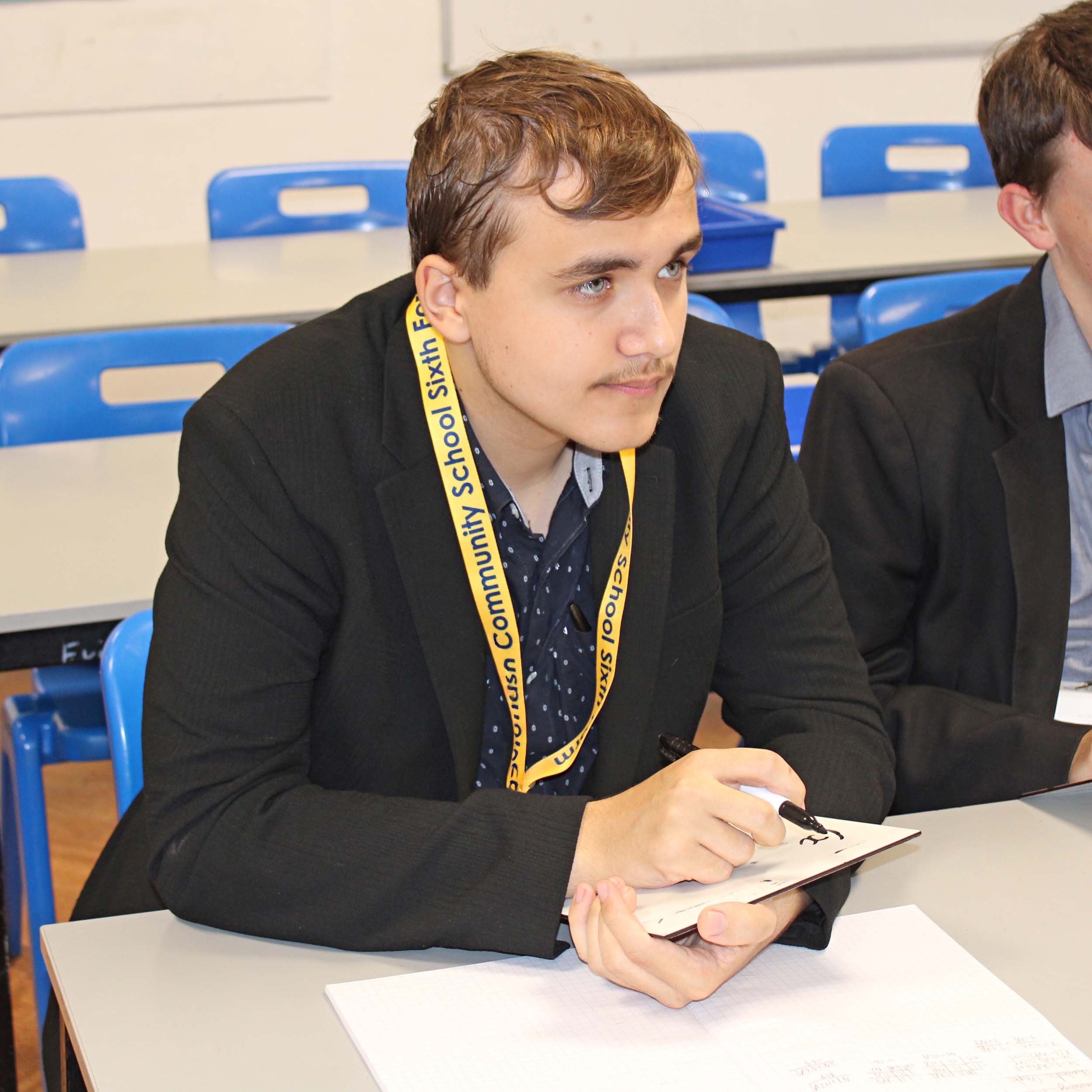
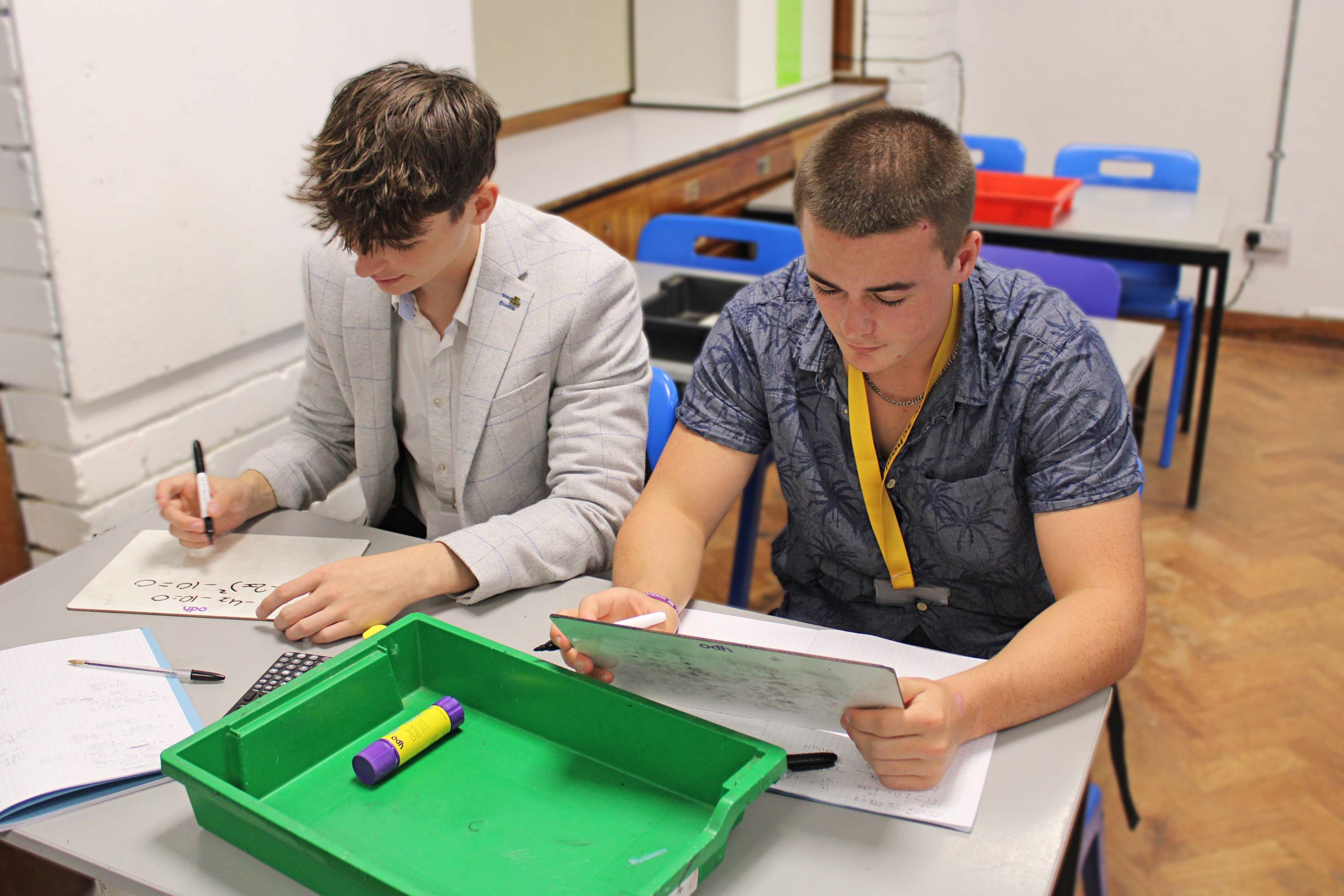
Choosing A level Maths is a smart step for students who want to challenge themselves academically and keep their future options open. It’s a versatile and highly respected qualification that supports a wide range of university courses, from science and engineering to economics, psychology, and even architecture. By studying A level Maths, students build essential problem-solving, logical reasoning, and analytical skills that are crucial in today’s data-driven world. Employers in fields such as finance, tech, and engineering actively seek candidates with strong mathematical backgrounds because these skills are directly applicable to real-world challenges. Additionally, A level Maths helps students develop resilience and the ability to approach complex problems with confidence, setting them apart in competitive academic and career environments. Whether you’re aiming for a career in STEM or looking to enhance your general employability, A level Maths provides a strong foundation for future success, equipping you with skills that are in constant demand.
 Assessment
- Paper 1: Pure Maths 1
- Paper 2: Pure Maths 2
- Paper 3: Statistics & Mechanics combined
Entry Requirements
- Grade 6 or above at GCSE Mathematics
Future Destinations
Studying A level Maths offers significant advantages for higher education and careers, particularly for students interested in pursuing degrees in mathematics, engineering, physics, computer science, and economics at prestigious universities. It deepens understanding of advanced mathematical concepts, preparing students for rigorous university courses. A level Maths is highly regarded by competitive institutions, providing an edge in applications for STEM-related degrees.
Career-wise, it opens doors to roles in data science, engineering, finance, and research, where strong mathematical skills are essential. The analytical thinking and problem-solving abilities gained from A level Maths also enhance employability in diverse and high-paying fields.
Media Studies
The Course
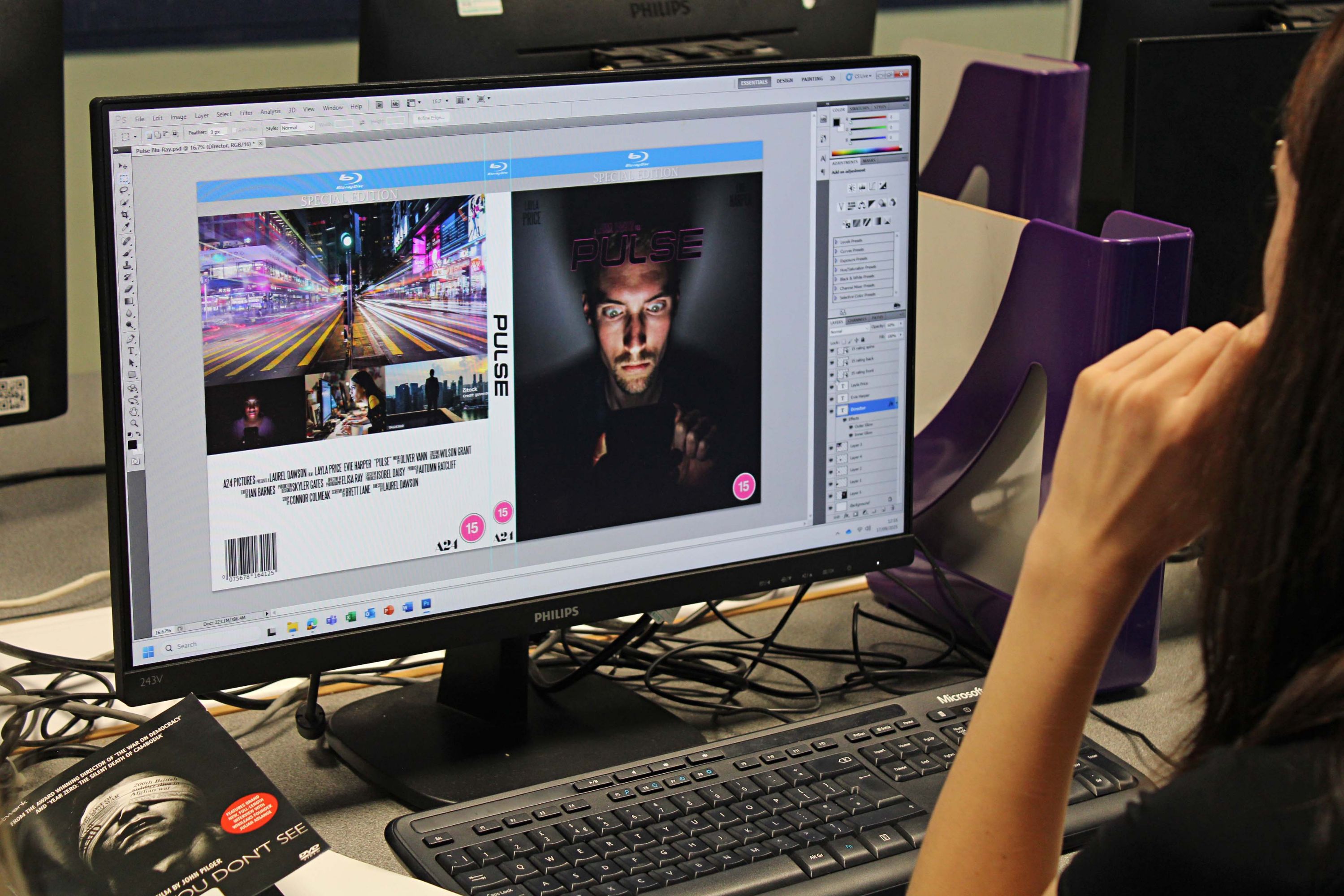
We will equip you with the skills to deconstruct media texts (music videos, TV programmes, adverts, posters, magazines and newspapers) and identify what these tell us about the world. This matters because we live in a ‘media age’, spending a significant proportion of our lives online, watching films & TV, reading, listening to music and playing video games. We depend on the media to entertain, connect, and inform us. Media producers hold a significant amount of power; however, is this power used responsibly? You will explore important issues – such as stereotyping, patriarchy, colonialism and political bias. You will also develop your creative skills by producing your own media texts – print, web and audio-visual. Over the course, you will analyse a range of media – including adverts, television programmes, newspapers, magazines, computer games, music videos and websites, considering issues such as representation, ideological bias, and social/historical context.
 Assessment
- Component 1: Exam (2 hrs 15 mins) – 90 marks
- Component 2: Exam (2 hrs 30 mins) – 90 marks
- Component 3: Non-Exam Assessment – 60 marks (A practical component, requiring you to design your own media texts)
Entry Requirements
- GCSE grade 4 or above in English
Future Destinations
You can further your studies at university, for example, with courses in Media, Film, Communications, Cultural Studies, Graphic Design, Marketing or Public Relations. This course also provides you with useful knowledge and skills for careers in advertising & marketing, graphic design or media production (film, television, radio).

Philosophy
The Course
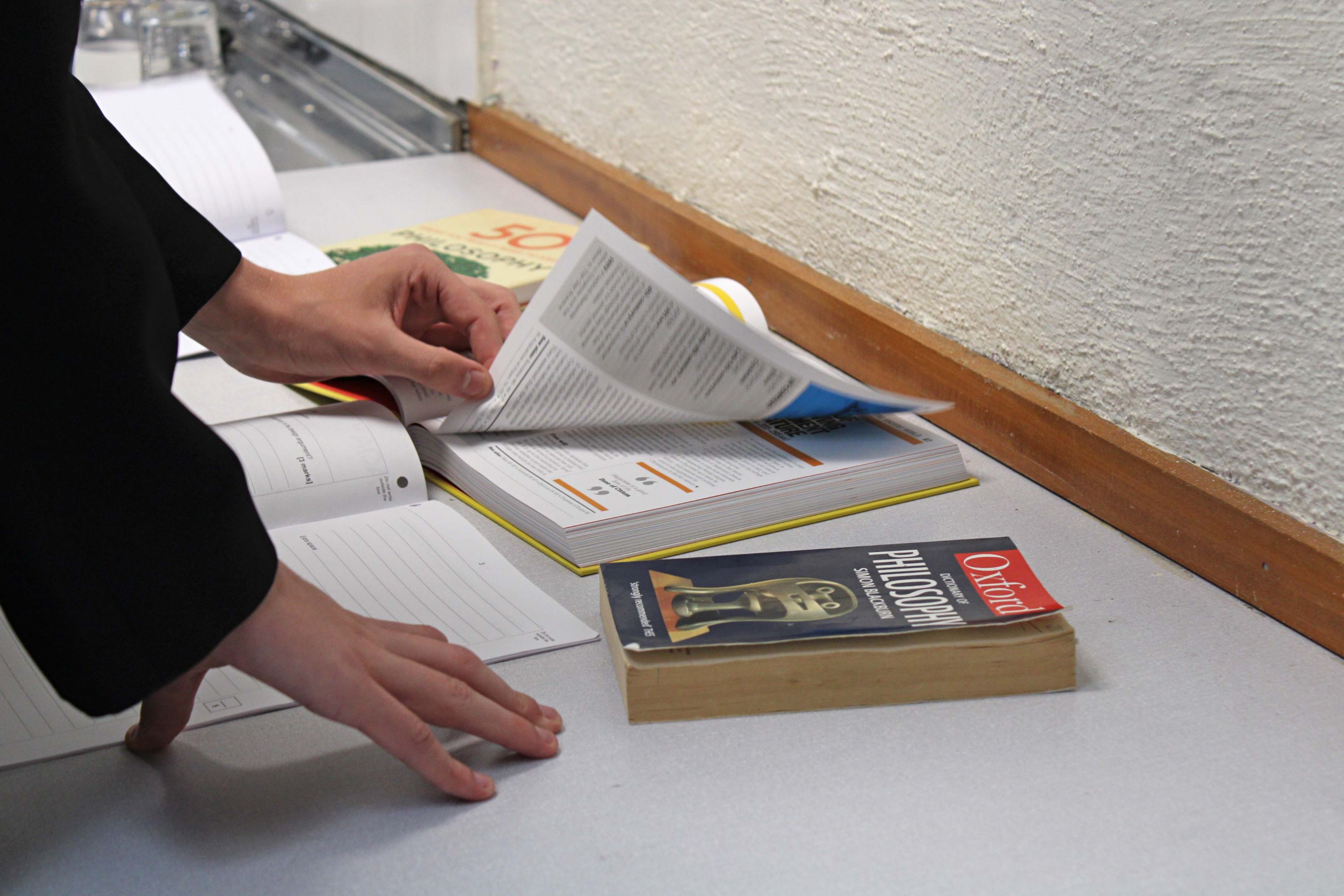
Philosophy is thinking about life’s big questions. It’s about being an intellectual detective. If you’ve ever wondered how we know what’s real, where ideas of right and wrong come from and where we are going, then you’ve already started the journey. This is the next step, where you have the opportunity to engage with significant concepts in a non-religious context. A level Philosophy will help you develop these skills:
- Being clear and precise in your thinking and writing
- Engaging with complex texts and ideas
- Constructing and defending your own philosophical arguments
- Analysing and evaluating the arguments of yourself and others
Assessment
You will study theories of knowledge (how do we know, we know anything), moral philosophy (ideas of right and wrong), and whether God exists, what it could be like, and what we mean by our “mind” – can it all be explained by studying what the brain does?
Assessment is through 2 x 3 hr exams at the end of Year 13; there’s no coursework.
Entry Requirements
- Grade 6 or above in English
Future Destinations
Philosophy can be studied on its own at degree level, and some degrees include Philosophy modules as part of the course. Philosophy is also a useful A level to have when studying Law, Sociology, Politics, Social Policy and Criminology.
Philosophy is highly valued in many careers, particularly medicine, government and charity. In fact, philosophical skills can help in all jobs and are used in almost every area of life.

Physics
The Course
Pearson Edexcel A level Physics:
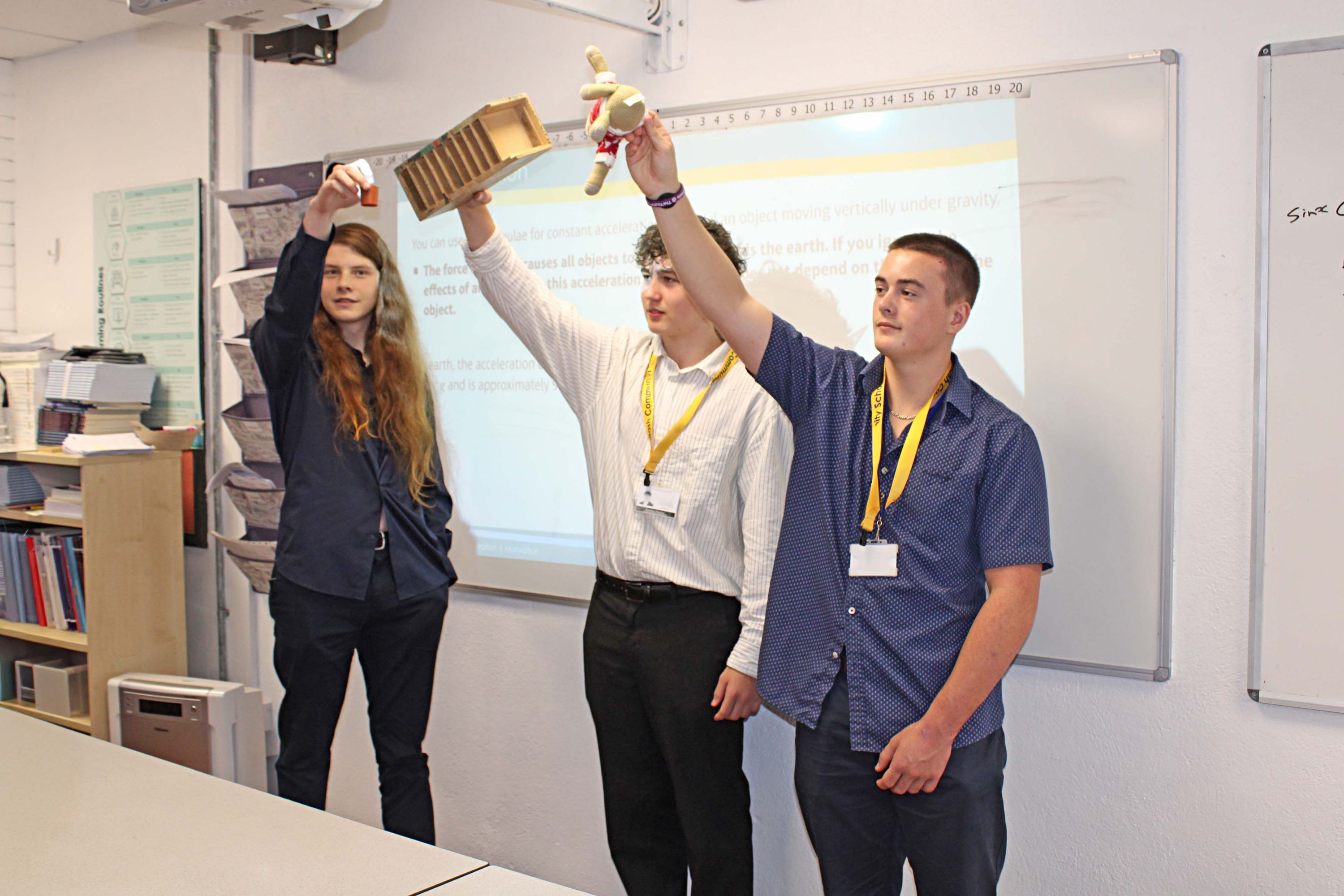
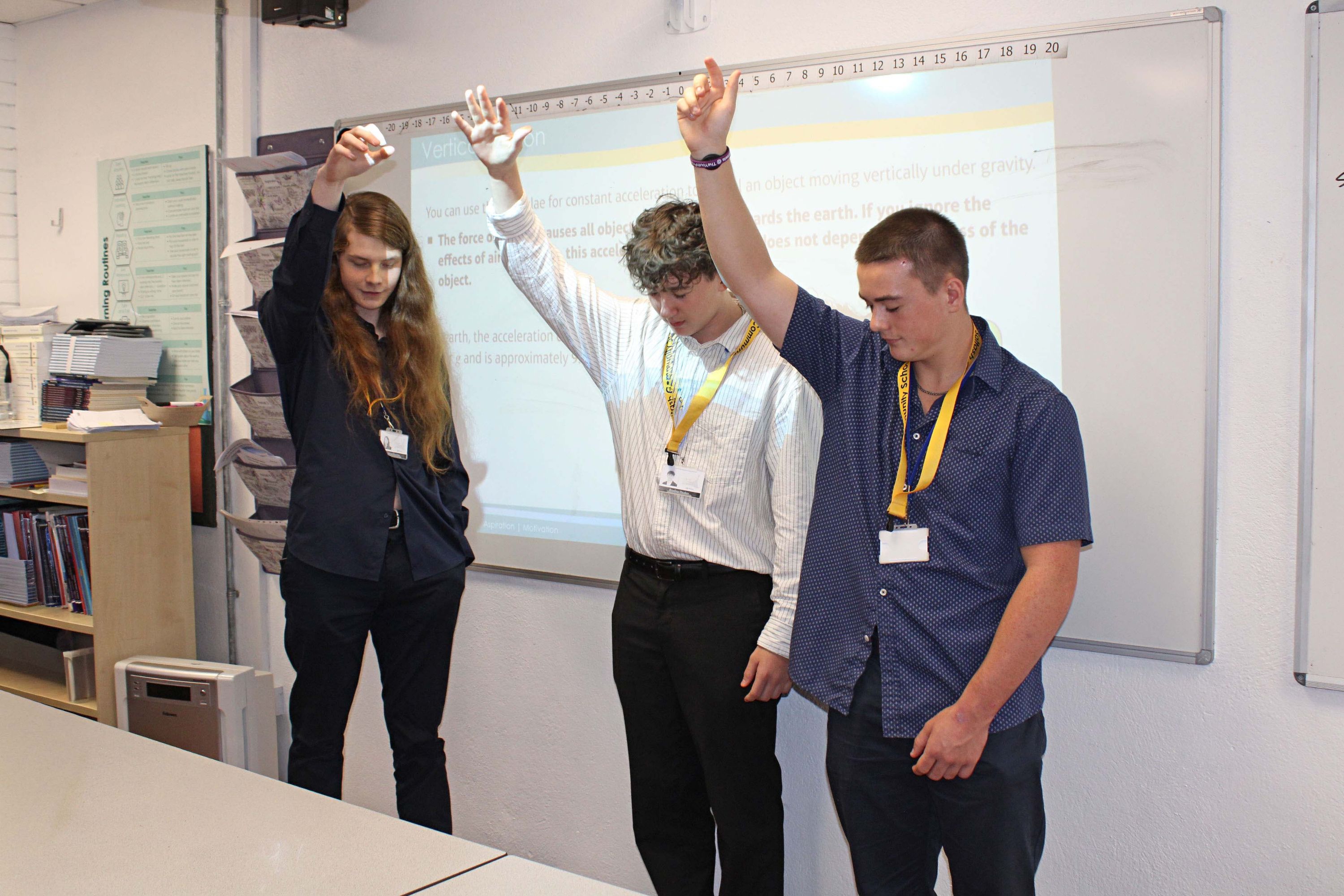
Physics is the study of the nature and properties of matter and energy, and the interactions between them.
There are many fields of physics, including: mechanics, electricity, thermodynamics, sound, light, matter, materials, atomic physics, nuclear physics, particle physics, cosmology and astronomy.
Assessment
A level Physics is only available as a linear course, which means that 100% of the assessment will take place at the end of the course.
Progression tests at the end of year 12 and mocks are used to assess and support progress during the course and there are 16 core practical experiments.
Three final exams cover all topics over the 2 years. 40% of the marks will be related to mathematical skills.
A focus on practical work in one of the papers.
Literacy will be assessed in long answer questions.
Entry Requirements
- Grade 6 in Physics or Combined Science (Higher tier)
- Grade 6 in GCSE Maths (Higher tier)
- Students need to be prepared to work hard and to be organised, independent, resourceful and willing to persevere when encountering difficulty.
Future Destinations
Physics, Astronomy and space science, Civil Engineering, Mathematics, Geology, Biophysics, Medical Physics, Medicine, Nanotechnology, Nuclear technology, Nuclear Medicine, Armed Forces, Teaching, Aeronautics, Pilot/aviation, Veterinary Science, Meteorology, Gaming and software design, Forensic Science, Communications, Renewable energy development, Materials design and testing, Business and Accountancy, Sound engineering.
Politics
The Course
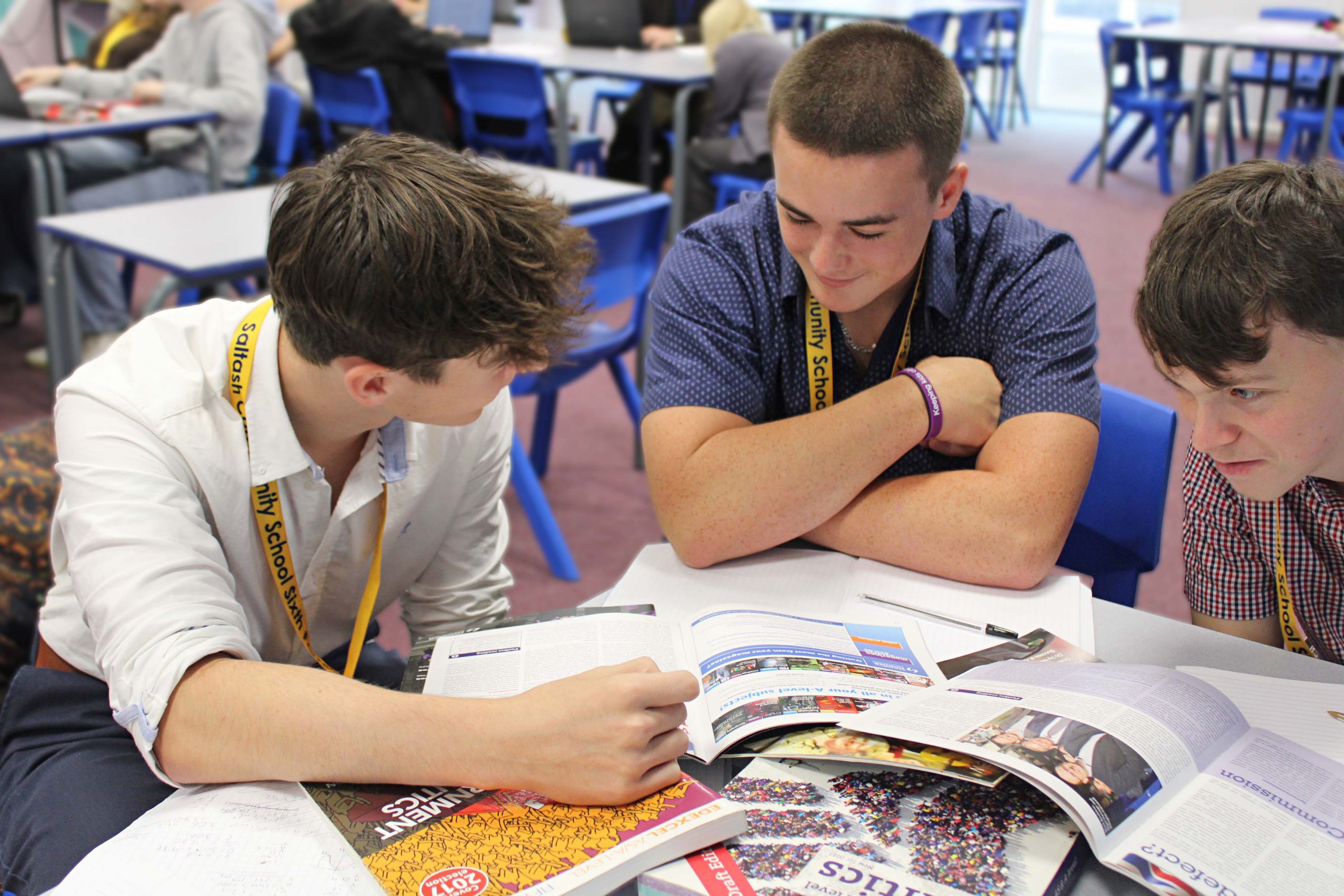
Politics is unlike any other A Level subject because it is so current. Politics is NOW. Politics is ALIVE! It is about how our society is shaped and organised and allows you to form your own opinions about topics that affect us all. What you study at A Level Politics will stay relevant for the rest of your life.
During the course you will be focusing on current affairs as you study both UK politics and the UK political system, as well as the US political system and study a range of contrasting political ideologies. The course will support you in developing an enquiring and critical approach to current affairs as well as building confidence in discussion, debate and critical writing as you analyse key ideas as well as present your own opinions and judgements.
 Assessment
There are three examination papers that you will sit at the end of Year 13
- Paper 1: UK People and Politics. Topics cover UK Political Parties, UK Pressure Groups, UK Democracy and Participation and UK election systems. Ideologies cover Liberalism, Conservatism and Socialism. You will analyse a source of political commentary and will produce extended essay responses.
- Paper 2: UK Government. Topics cover the UK Constitution, Parliament, the UK Executive and relations between UK ‘branches’ of government including the UK Supreme Court. You will look at one additional ideology: Feminism. The exam paper will follow the same format of analysing a source of political commentary and extended essay responses.
- Paper 3: US Politics. Topics cover US Democracy and Participation, US parties and Pressure Groups, Presidential elections, the US Constitution, Congress, US Presidents and the US Supreme Court. In the exam you will produce extended essay responses looking at US political systems and topics, but also synoptic responses comparing the US and UK systems.
Entry Requirements
There are no prior subject study requirements. However, students need to have attained a grade 5 or more in English Language or English Literature. It is recommended, but not required, that students have a grade 5 or more in a linked analytical subject like History or Geography or RS.
Future Destinations
Politics is highly valued in many careers, including the Police, Armed Forces, Education, Health, Law and anything else the Government makes decisions about, which is almost anything! Politics can be studied at university on its own or with various other subjects. The skills developed in Politics are used in almost every job or area of life.
If you have studied Politics A Level you have demonstrated your ability to assimilate a wide range of information, to analyse and weigh up arguments and to construct clear coherent lines of reasoning. These are skills that are valued across professions and show that you, as an individual, are a citizen of the world!
Psychology
The Course
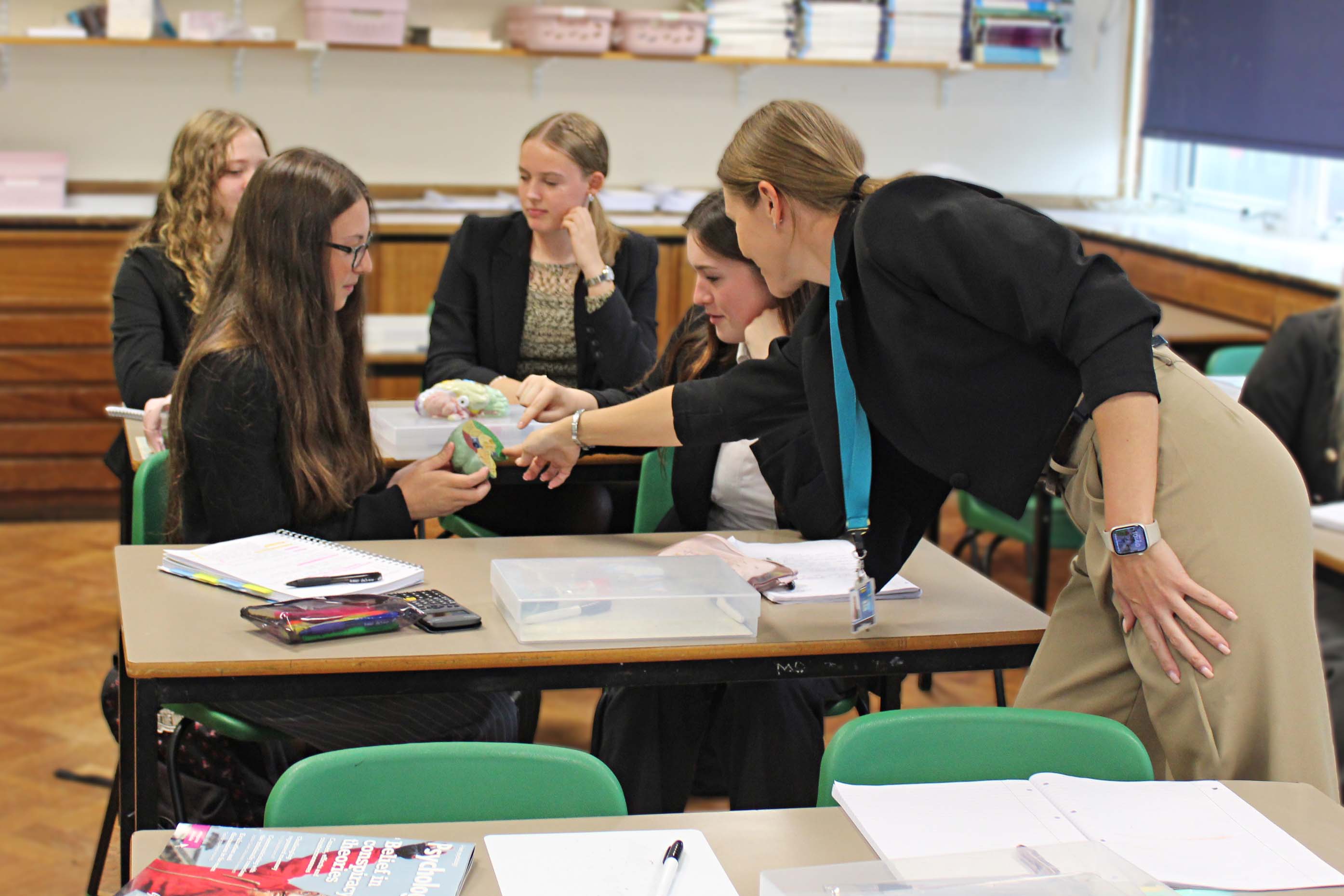
Are you fascinated by the workings of the human mind and behaviour? AQA A level Psychology offers an exciting journey into understanding why people think, feel, and act the way they do. This course dives deep into topics such as memory, social influence, mental health, and human development, providing you with valuable insights into everyday life and human interactions.
With AQA Psychology, you’ll develop critical thinking skills, the ability to analyse complex information, and a scientific approach to understanding behaviour. The course is not only intellectually stimulating but also highly relevant to a wide range of careers, including psychology, healthcare, education, and business.
You’ll explore real-world applications of psychological theories and engage in experiments, discussions, and research, making learning both interactive and practical. Whether you’re aiming for a career in psychology or simply curious about the mind, AQA A level Psychology is the perfect stepping stone to future success.
 Assessment
- Paper 1: (2 hrs) 96 marks: Social Influence, Memory, Attachment, Psychopathology.
- Paper 2: (2 hrs) 96 marks: Approaches, Biopsychology, Research methods.
- Paper 3: (2 hrs) 96 marks: Issues and Debates, Relationships, Schizophrenia, Forensic
- Psychology.
Entry Requirements
- GCSE grade 5 or above in English, Maths and Science
Future Destinations
AQA A level Psychology provides a strong foundation for higher education and a wide range of careers. The course develops essential skills such as critical thinking, research methods, data analysis, and communication skills that are highly valued in university studies and the workplace.
For those interested in pursuing psychology at the university level, this A level offers a head start by covering key concepts and theories that are fundamental to undergraduate psychology courses. It also aligns well with other fields like sociology, criminology, education, and healthcare, making it a versatile choice for various degree programs.
In terms of career prospects, A level Psychology is beneficial for careers in mental health, counselling, social work, education, marketing, human resources, and any field that requires a deep understanding of human behaviour. The analytical and interpersonal skills gained from this course prepare you to excel in roles that involve working with people, solving complex problems, and making informed decisions.
Sociology
The Course
Choosing Sociology as an A level opens up a world of insight into how society truly works. Imagine diving deep into the forces that shape our daily lives—like why social media affects our self-esteem, how culture influences our beliefs, or what drives movements for social justice. Sociology isn’t just about learning facts; it’s about challenging assumptions and understanding the world in a completely new way.
By studying Sociology, you’ll develop critical thinking skills that allow you to see beyond the surface and analyse the big issues—race, class, gender, and power. This subject isn’t just interesting; it’s incredibly relevant, connecting directly to what’s happening around us right now. Plus, it pairs perfectly with subjects like Psychology, Politics, and History, giving you a well-rounded perspective that universities and employers love. If you’re curious about society and passionate about making a difference, Sociology is the perfect choice for you.
 Assessment
- Paper 1: Education with Method in Context (2 hrs): 80 marks
- Paper 2: Topics in Sociology (2 hrs): 80 marks
- Paper 3: Crime and Deviance with Theory and Method (2 hrs): 80 marks
Entry Requirements
- GCSE grade 5 or above in English
Future Destinations
Studying Sociology offers significant benefits for both higher education and future career paths. In higher education, Sociology equips students with critical thinking, research, and analytical skills that are highly valued across a range of disciplines.
It provides a solid foundation for degrees in social sciences, law, education, public health, and humanities, fostering a deep understanding of social dynamics, inequality, and cultural diversity. This makes Sociology graduates well-prepared for tackling complex societal issues in their academic pursuits.
In terms of career prospects, a background in Sociology opens doors to diverse fields such as social work, human resources, public policy, market research, journalism, and education. Employers value the ability to analyse social trends, understand human behaviour, and engage with diverse populations—skills that are at the core of Sociology. Additionally, Sociology’s emphasis on critical thinking and problem-solving makes graduates versatile and adaptable in a rapidly changing job market, enhancing their employability and career growth.
Alternative Level 3 Courses
Business Studies
The Course
There are many different career paths for those who wish to work within the business sector. These include management, HR, finance, marketing and business information management, with the opportunity to work both in the UK and internationally. The Pearson BTEC National Extended
Certificate in Business is intended to be an Applied General qualification for post16 students wanting to continue their education through applied learning, and who aim to progress to higher education and ultimately to employment, possibly in the business sector. The qualification is equivalent to one A level and aims to provide a coherent introduction to study of the business sector, normally alongside other level 3 qualifications. The content of this qualification has been developed in consultation with academics to ensure that it supports progression to higher education. In addition, employers and professional bodies have been involved and consulted in order to confirm that the content is also appropriate for and consistent with current practice for students planning to enter employment directly in the business sector.
 Assessment
Four units over the two years
- Unit 1: Exploring Business (controlled assessment)
- Unit 2: Marketing Campaign (external assessment)
- Unit 3: Personal and Business Finance (exam)
- Unit 4: Recruitment and Selection in Business (controlled assessment)
Entry Requirements
- English and Maths at grade 5, Business course not essential.
Future Destinations
Students who have completed this qualification will experience a breadth of subjects, supporting them to go into the real world of further education or work. For example, when studying the Business and Personal Finance unit, students will be measuring the financial performance of a business, preparing and analysing statements of comprehensive income and statements of financial position, as well as analysing profitability, liquidity and business efficiency, which supports some of the skills students need to progress into higher education, employment, self-employment or training.
The qualification is intended to carry UCAS points and is recognised by HE providers as contributing to meeting admission requirements for many courses, if taken alongside other qualifications as part of a two-year programme of learning, and it combines well with a large number of subjects. It will support entry to almost any HE course, depending on the subjects taken alongside.
Will the qualification lead to employment, if so, in which job role and at which level? This qualification, when studied with other level 3 qualifications, is designed primarily to support progression to employment after further study at university. However, it can also support students progressing to employment directly, or via an apprenticeship. It will give the successful student the transferable knowledge, understanding and skills that will be an advantage in applying for a range of industry-linked training programmes or apprenticeships in the business or other sector of their choice.
Drama: Acting
The Course
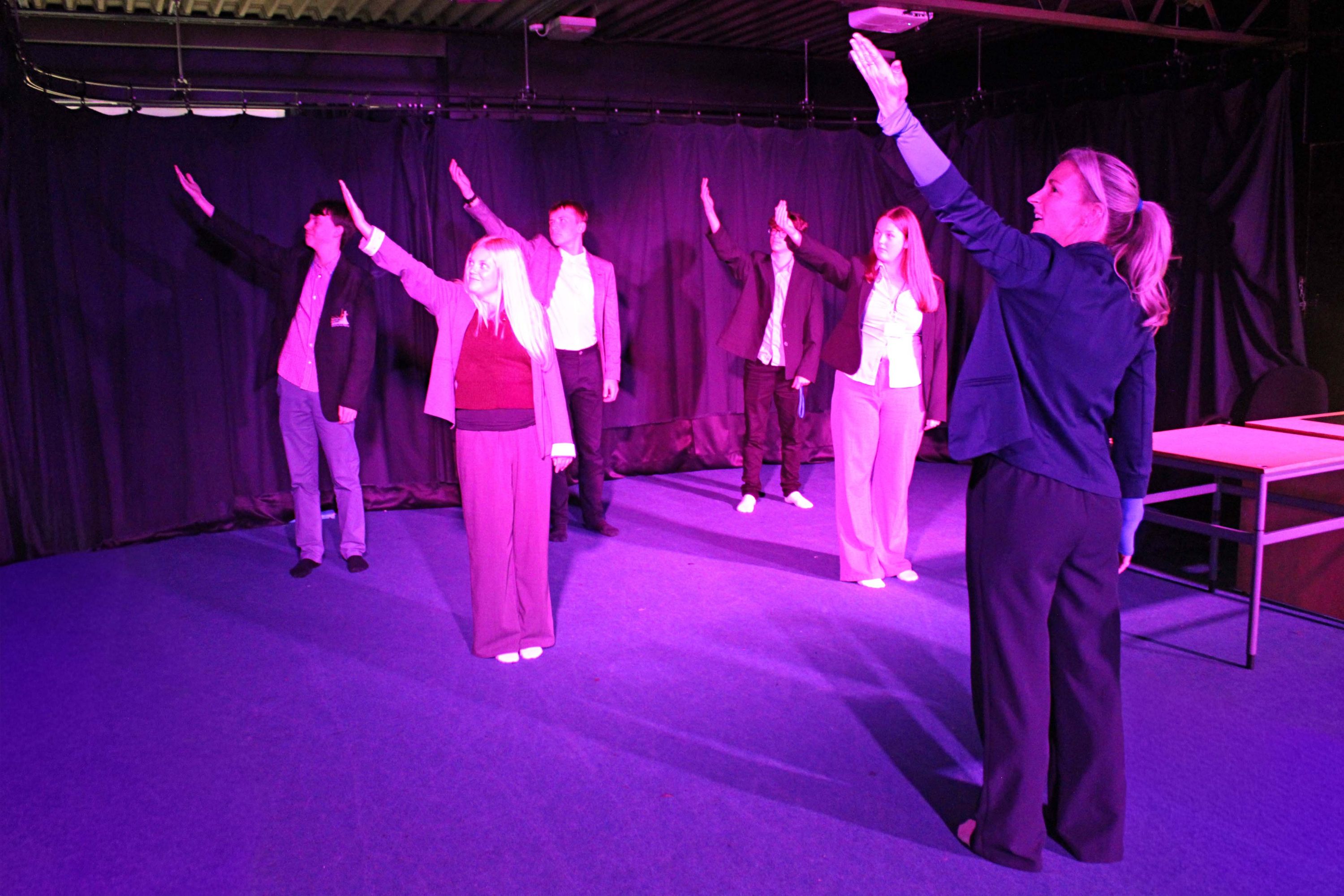
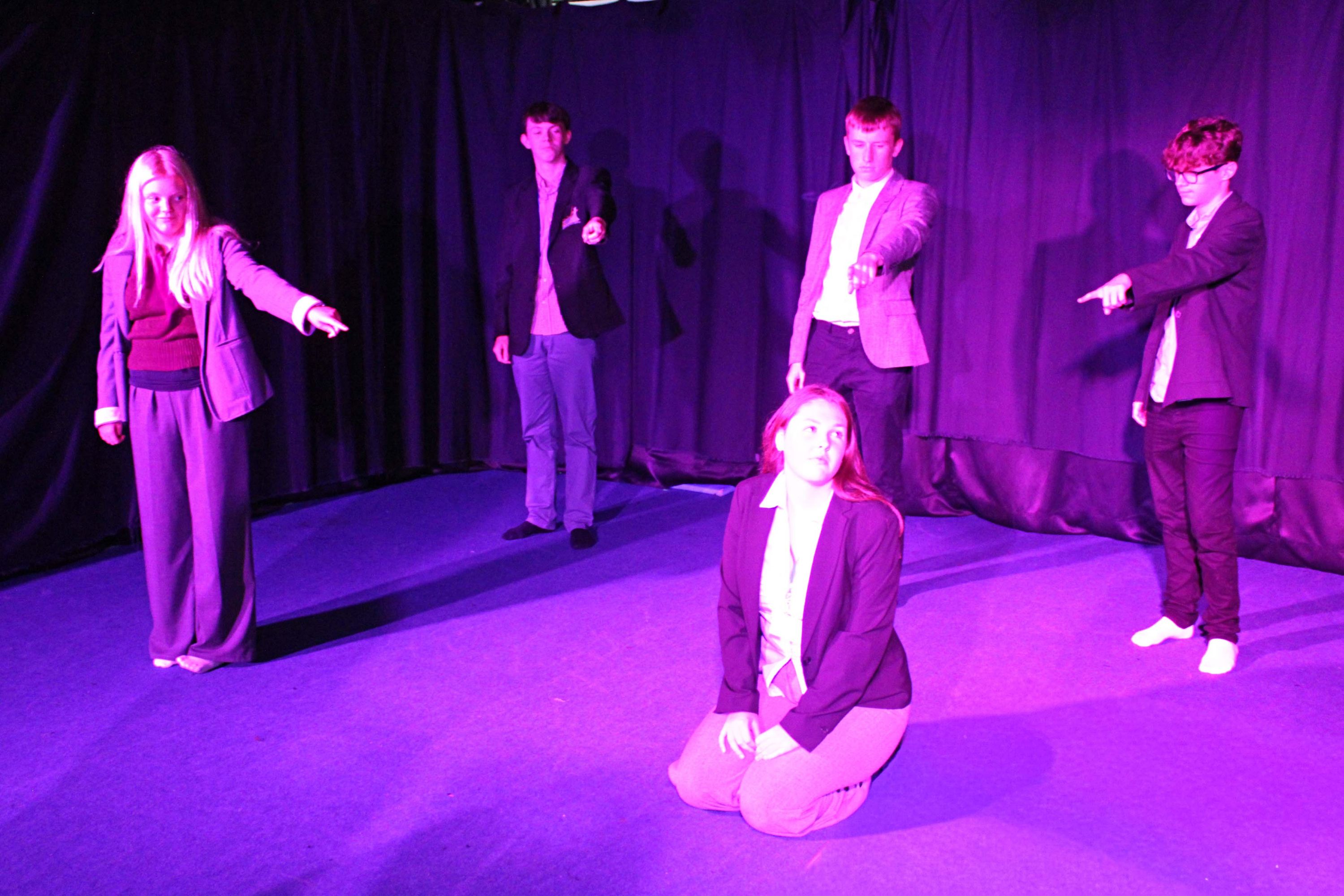
We are passionate about preparing our students to be industry-ready and develop their acting skills so that they can go on to study Acting at Higher Education or Drama School. But, we are also just as passionate about ensuring that our Sixth Form students develop a wide range of transferable skills that will support them to succeed in any career or future studies, including: confidence, collaborative working, creativity, empathy, public speaking, time management and critical thinking. This course explores a range of acting skills and theatre practitioners whilst asking students to apply a wide range of skills that will enable them to be well-prepared for 21st Century living. This course is equivalent to 1.5 A levels.
Assessment
- Core Units:
- Performance Preparation: External
- Planning for a Career in the Creative and Performing Arts: Internal
- Optional Units (5):
- Approaches to Acting .
- Audition Techniques .
- Contemporary Theatre .
- Drama in the Community.
- Working with Masks or Puppetry
Entry Requirements
- Preferably GCSE or L2 Drama at Pass or grade 5.
- Students will be accepted without prior drama qualifications if able to perform with confidence and work well as part of a team.
Future Destinations
Actor/Performer
Stage Manager
Director
Costume Designer
Technical Theatre
Lawyer
Presenter
Nurse
Doctor
Arts Admin
Teacher
Marketing
Special Effects
Community Arts
Drama Therapist
The transferable skills developed in this course will benefit many careers and higher education and
study.
Health and Social Care
 The Course
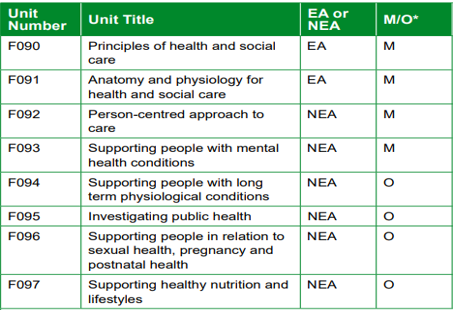
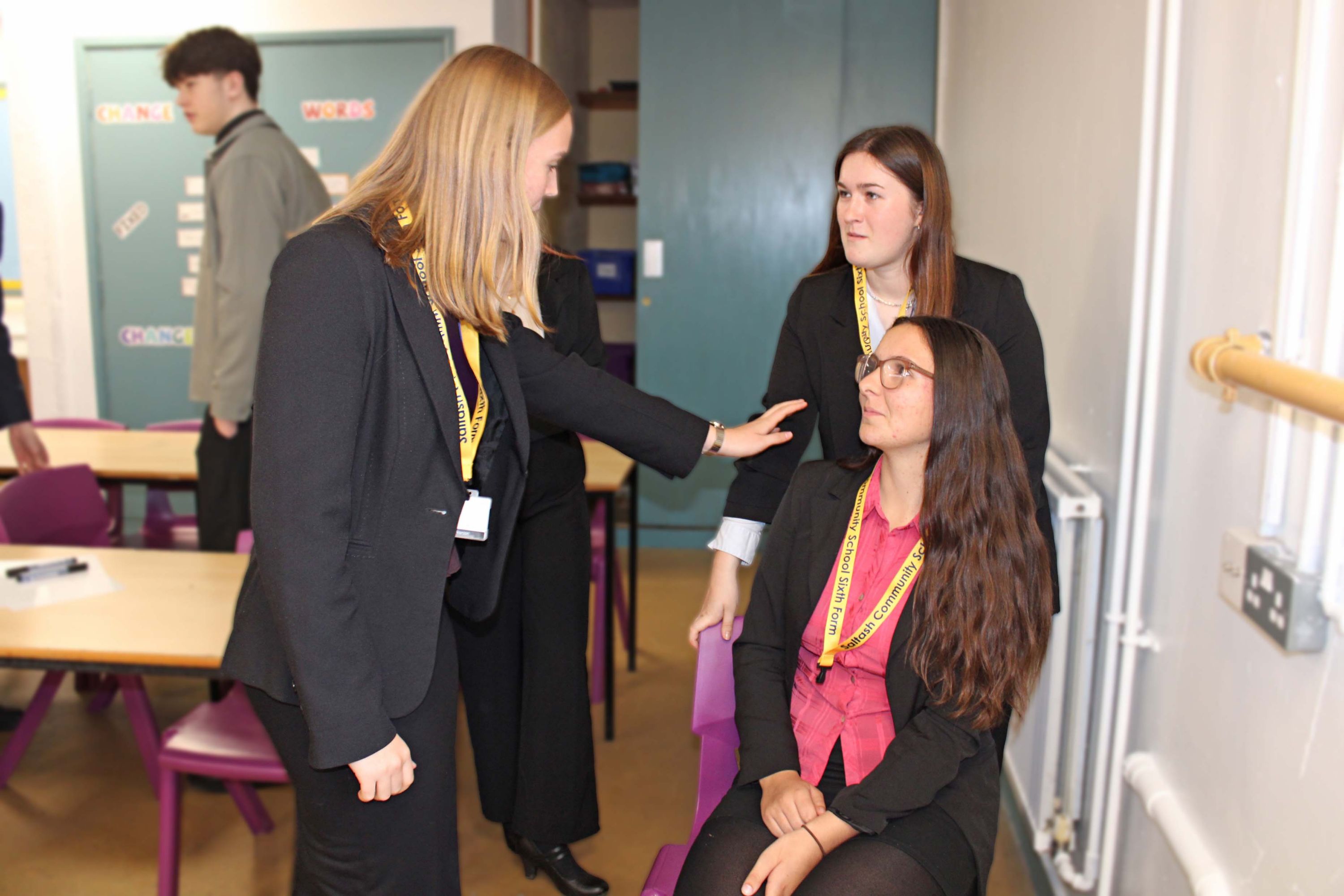
The Extended Certificate in Health and Social Care will develop knowledge, understanding and skills that will prepare students for progression to undergraduate study. It covers equality, diversity and rights, health and safety, anatomy and physiology, person-centred approaches, mental health, long-term physiological conditions, public health strategies, sexual health and nutrition and lifestyles.
Assessment
Students complete four mandatory units(M) – two external exams (EA) and two internal controlled assessments (NEA). Then they have a choice of four options (O) from which they must complete two
(NEA) to complete the course. Therefore, the majority of assessment is through coursework submission.
Entry Requirements
In addition to meeting the Sixth Form entry requirements, students must have at least a grade 4
(C) or above in English. A keen interest in a career in Health or allied vocations. Participation in physical activity or competitive sport is not a requirement but is strongly recommended. A good level of literacy and numeracy skills is expected as well as good organisational and time management skills in order to effectively meet deadlines.
Future Destinations
Both the subject-specific knowledge, understanding and skills, and broader transferable skills developed in this qualification will help you progress to further study in related areas such as:
- BSc Nursing (Adult/Child/Learning disabilities/Mental health)
- BSc Midwifery
- BSc Health and Social Care
- BSc Healthcare and Health Science
- BSc Health Sciences
- BSc Paramedic Science
- BSc Public Health and Wellbeing
- BA Social Work
Human Biology
 The Course
Our Extended Certificate in Human Biology will further develop applied knowledge, understanding and skills relevant to medical science. This qualification includes topics like health, diseases and nutrition. It will help students develop independence and confidence in communication, research, presentation and study skills, transferable both to higher education and the world of work.
Assessment
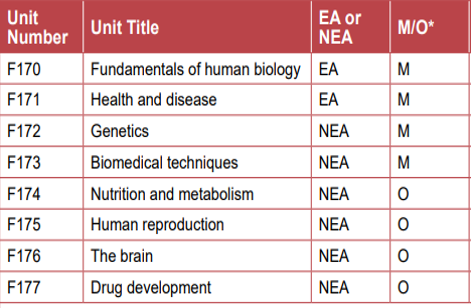
Students complete four mandatory units(M) – two external exams (EA) and two internal controlled assessments (NEA). Then they have a choice of four options (O) from which they must complete two (NEA) to complete the course. Therefore, the majority of assessment is through coursework submission.
Entry Requirements
- In addition to meeting the Sixth Form entry requirements, students must have at least a grade 4 (C) or above in English. A keen interest in a career in Health or allied vocations. Participation in physical activity or competitive sport is not a requirement but is strongly recommended. A good level of literacy and numeracy skills is expected as well as good organisational and time management skills in order to effectively meet deadlines.
Future Destinations
Both the subject-specific knowledge, understanding and skills, and broader transferable skills
developed in this qualification will help you progress to further study in related areas such as:
- BSc Nursing (Adult/Child/Learning disabilities/Mental health)
- BSc Midwifery
- BSc Health Sciences
- BSc Paramedic Science
- Biological Sciences degree
- Human Biology degree
- Life Sciences degree
- Biomedical Science degree
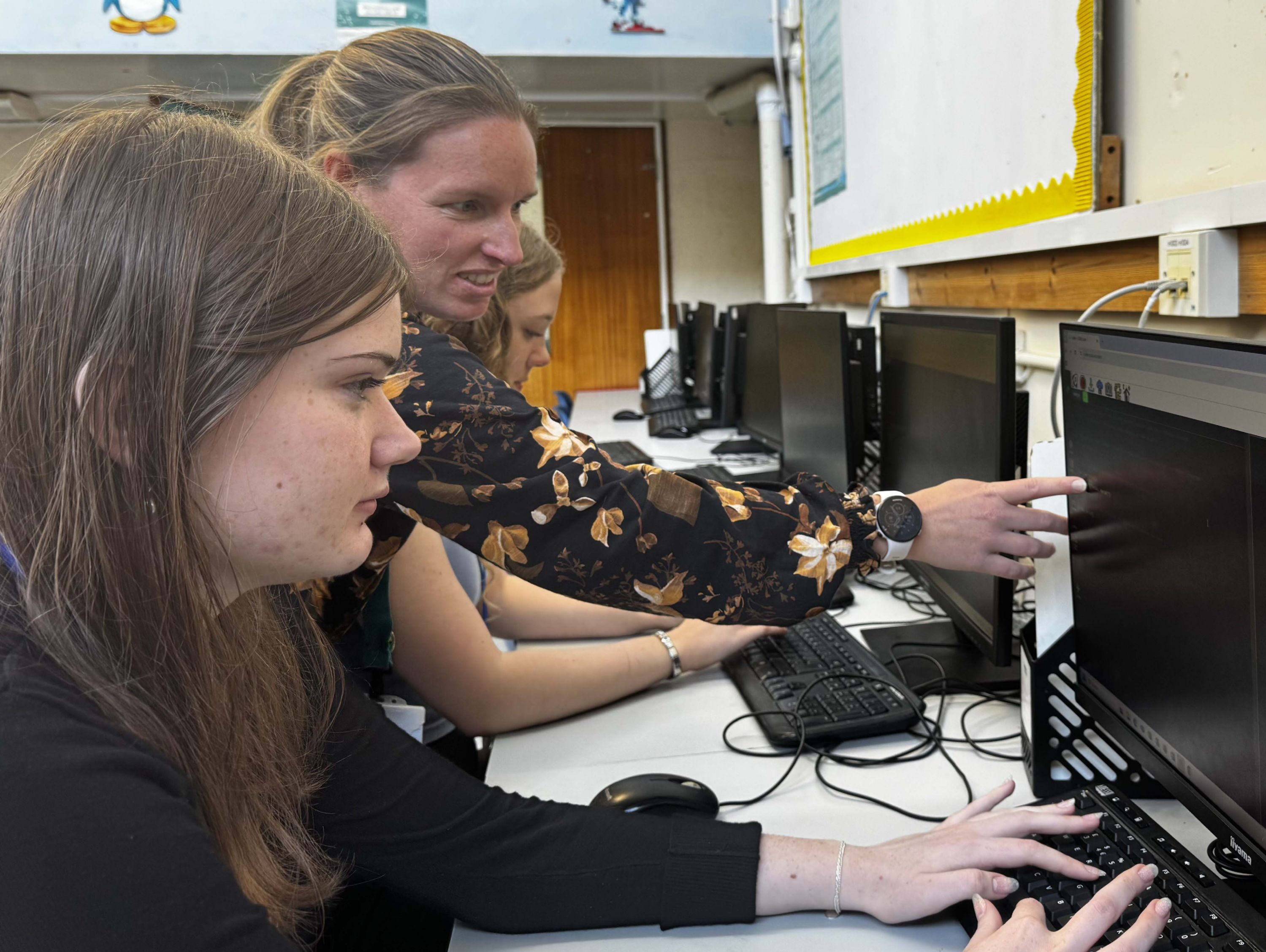
Information Technology
The Course
The Cambridge Technicals in IT provides students with essential knowledge and skills in IT and cybersecurity. A wide range of units and opportunities for practical and project-based work helps students gain an insight into technological change, global IT infrastructure and legal and security considerations.
 Assessment
Three mandatory units:
- Fundamentals of IT - Exam
- Global Information - Exam
- Cyber Security - Exam
Two other units chosen which are NEA’s
Entry Requirements
At least 4 GCSEs graded 4 or above OR grade 5 in GCSE Computer Science.
Future Destinations
Level 3 Cambridge Technicals in IT offers specialist pathways in IT Infrastructure Technician, Emerging Digital Technology Practitioner, Application Developer, and Data Analyst.
Students will apply their practical skills and knowledge in preparation for further study, Higher Education or the workplace.

Music
The Course
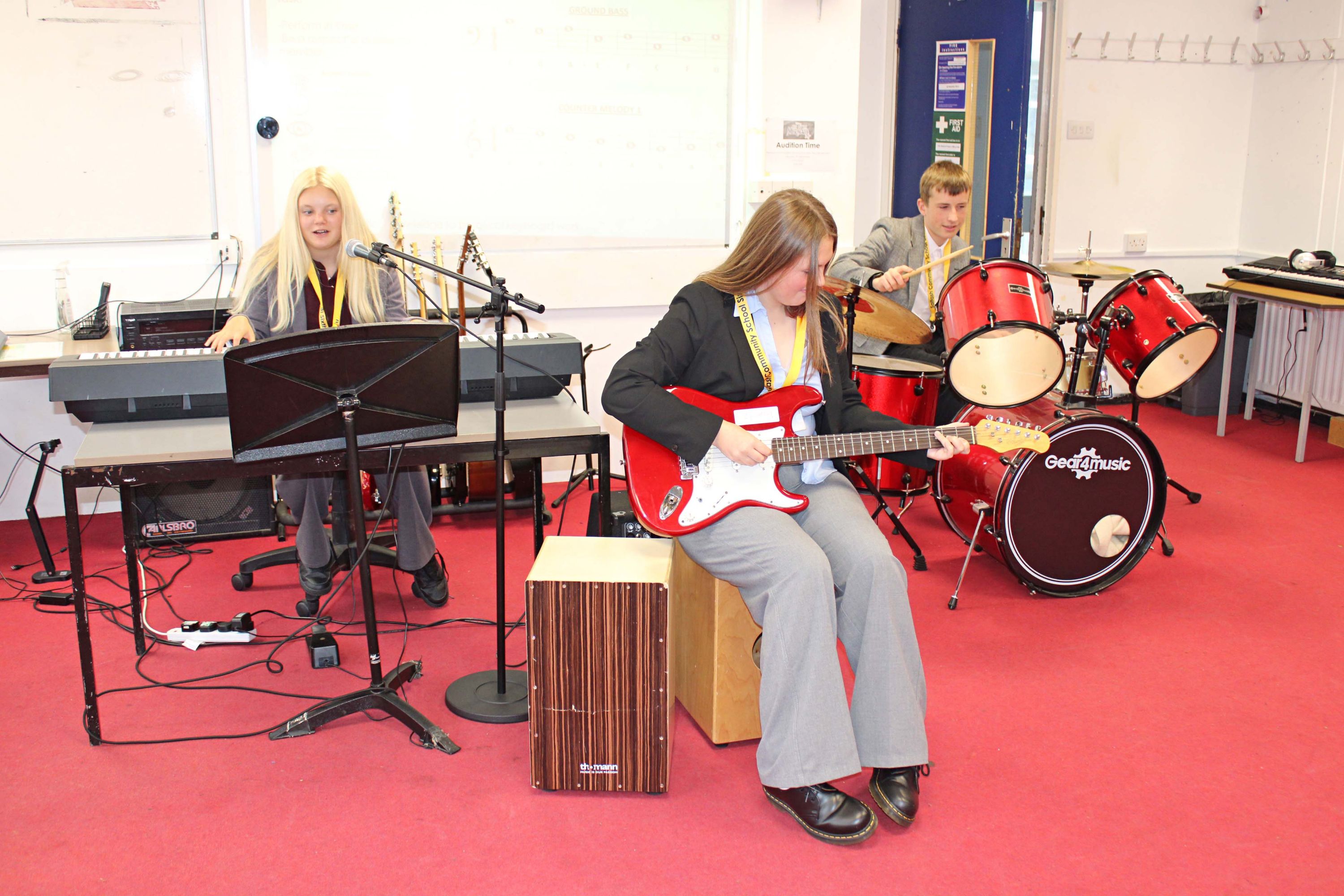
Music plays a key role in brain development, and it helps to develop a variety of skills that are fundamental to the success of humans. We are passionate about offering students the chance to develop their creativity, confidence, critical thinking and collaborative skills through developing a love for playing an instrument or singing.
Through the process of organising events and studying different musical genres, students will develop their technical skills in their chosen music specialism, as well as have many opportunities to perform to an audience both in school and in the community. This course has a vocational focus and prepares students for a career in the music industry alongside a variety of skills that are transferable to any career.
Assessment
Core Units:
- Rehearsal Skills and Live Music Performance (External).
- Planning a Career in Music (Internal)
Optional Units (3):
- Improving Instrumental Performance
- Working as a Freelance Music Practitioner
- Music Instrument Development
- Leading Music Making Activity
Entry Requirements
- Preferably a grade 5 in Music at GCSE or Level 2 Music.
- Students will be accepted without prior music qualification if able to play an instrument or sing competently with confidence in front of an audience.
Future Destinations
Musician
Musical Theatre Performer
Session Musician
Radio
Technician
Composer
DJ
Music PR
Sound Engineer
Songwriter
Music for Media
Orchestra
Educator
Music Therapist
The transferable skills developed in this course will benefit many careers and higher education and
study.
Sport - Extended Certificate
The Course
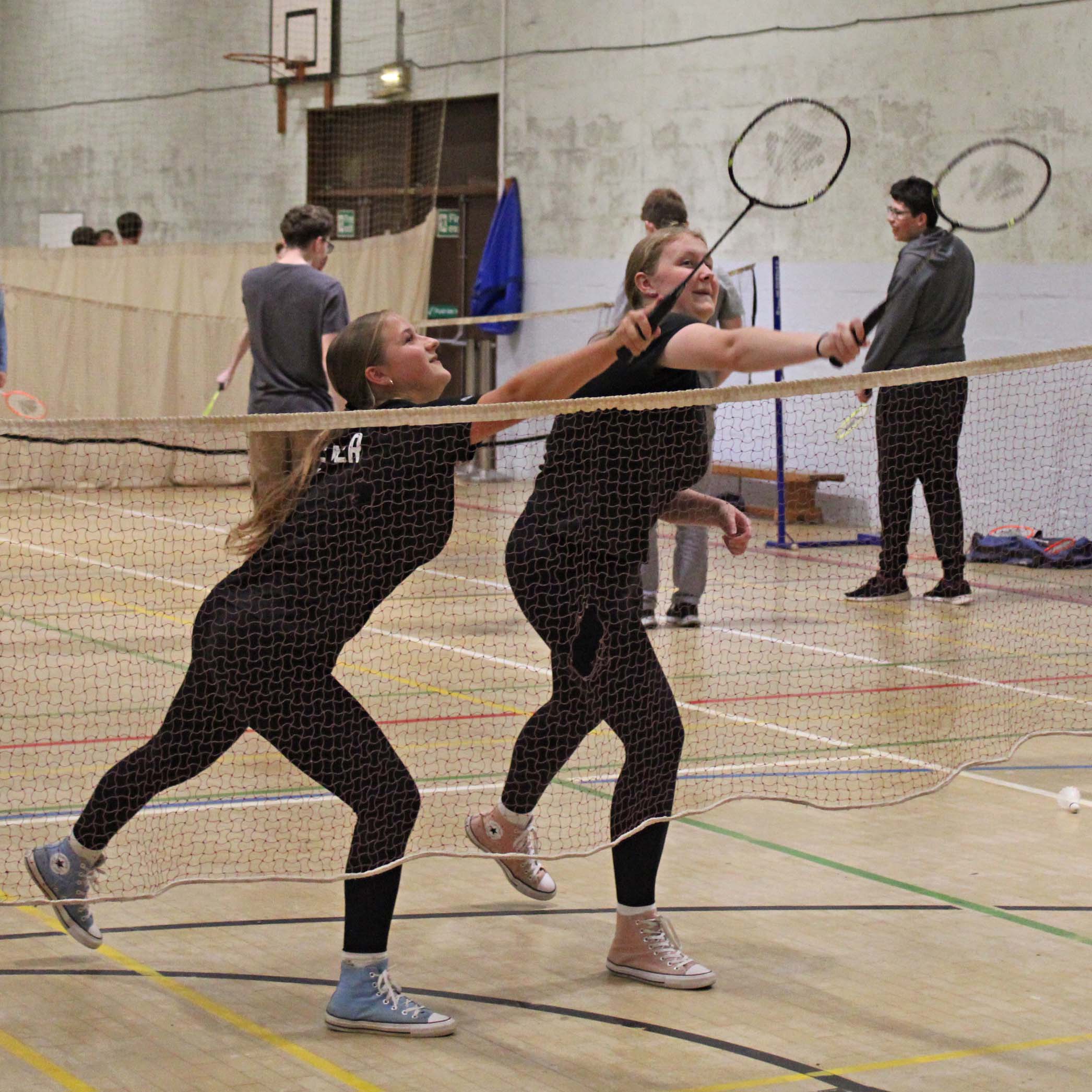
This qualification is designed for learners who want to gain a qualification to support further study in further education or higher education in sport and physical activity or sport-related apprenticeships.
The qualification is not just about being able to play sport; it will provide learners with the skills, knowledge and understanding to progress into higher education on a sports-related program such as Sports Science or Sports and Leisure management. The course combines practical activities with theory, as well as visits and presentations from employers about their sector of sport and physical activity.
The Extended Certificate takes 360 guided learning hrs (GLH) to deliver. This means it’s a similar size to an A level. This gives learners the flexibility to take other qualifications, whether vocational or academic, in preparation for further study in the sector.
Disclaimer: Subject to exam board confirmation of final 2026 course details
 Assessment
- Learners will take three mandatory units to achieve this qualification. These compulsory units are
- Bodily systems and the effects of physical activity.
- Sports coaching and activity leadership.
- Sports organisation and development.
- In addition to these, students will take two further units in Sport Psychology and Practical performance. All units assist in the development of transferable skills such as communication and problem-solving. All coursework units encourage the development of time management, research and analytical skills, as well as emphasising the need for good written and verbal communication skills.
- Every unit achieved will be graded as Pass, Merit or Distinction.
- Qualifications are graded using a Pass, Merit, Distinction, Distinction* structure.
Entry Requirements
- In addition to meeting the Sixth Form entry requirements, students must have at least a grade 4 (C) or above in English. A keen interest in sport and physical activity. Participation in physical activity or competitive sport is not a requirement but is strongly recommended. A good level of literacy and numeracy skills is expected as well as good organisational and time management skills in order to effectively meet deadlines.
Future Destinations
Achievement of this qualification will provide learners with the skills knowledge and understanding to
progress into higher education on a sports related program such a Sports Science, Sports Coaching,
Sports Management or Sport Psychology or begin a career in the sports industry straight away
Sport - Technical Diploma & Extended Diploma
The Course
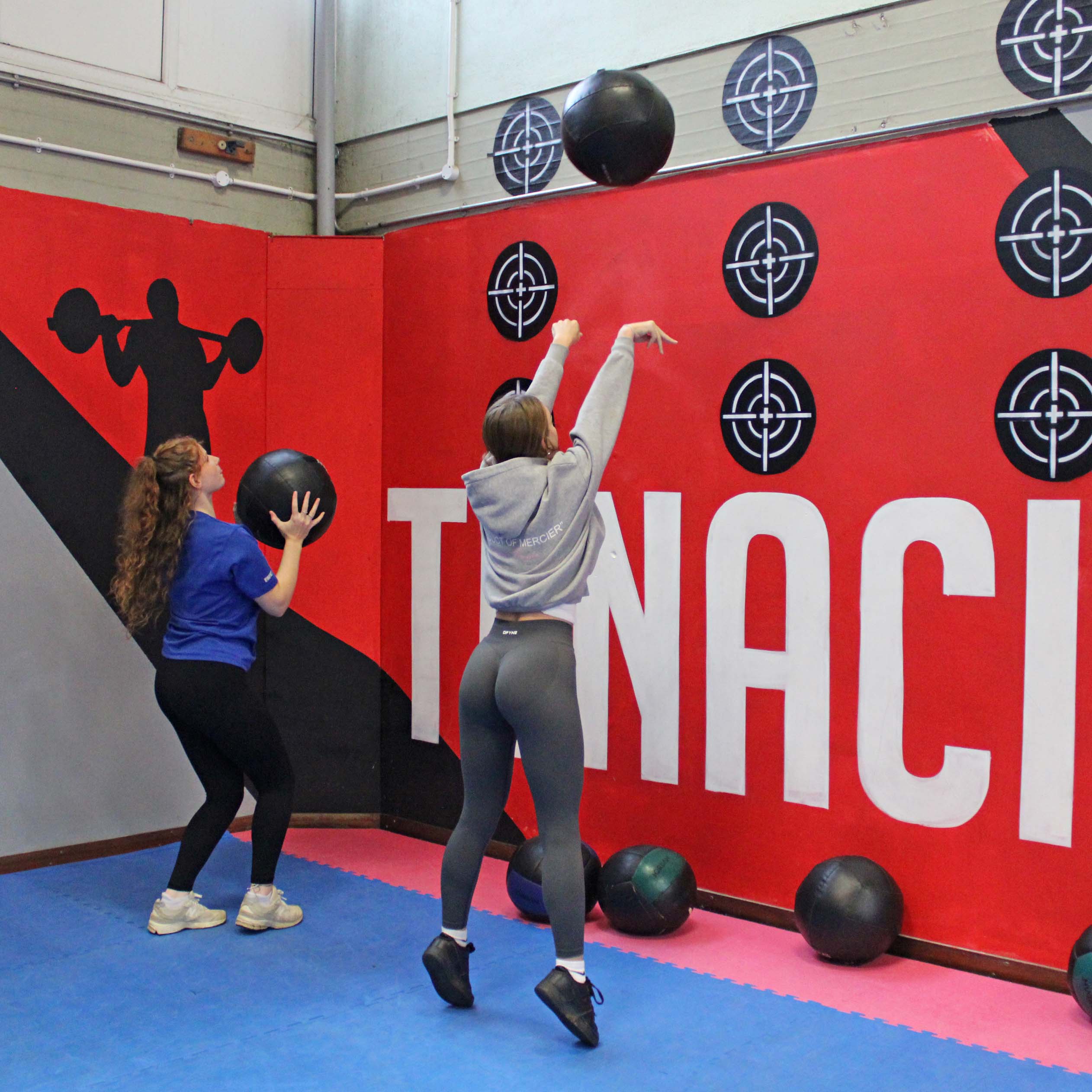
We are proud to be able to deliver a choice of two other bespoke vocational sports courses. They are refreshing and exciting, up to date, engaging, suitable for the needs of students in 2025, delivered by a team of first-class staff that know how to get the best out of students.
The technical diploma and the extended diploma take 720 and 1080 guided learning hrs (GLH) to deliver. This means that they are of an equivalent size to 2 and 3 A levels. The technical diploma gives learners the flexibility to take another level 3 qualification, such as an A Level. The extended diploma option would mean students only study sport. They are both fantastic qualifications for students who are serious about a career in the sports industry.
Technical qualifications suit students who are more practically minded. This is because there are a range of assessment methods for each of the units, from practical evidence to videos to written reports, as well as coaching sessions and work placements. We will actively encourage our sports students to gain work experience within the PE department helping in PE classes with KS3 students to gain valuable coaching and leadership experience.
 Assessment
- Students complete all assessments in line with the extended certificate plus additional coursework and examination units.
- These include, health and fitness testing in the PT industry, sports injuries, performance analysis, sport development, nutrition and working in the leisure industry.
Entry Requirements
In addition to meeting the Sixth Form entry requirements, students must have at least a Grade 4 (C) or above in English. A keen interest in sport and physical activity. Participation in physical activity or competitive sport is not a requirement but is strongly recommended. A good level of literacy and numeracy skills is expected, as well as good organisational and time management skills in order to effectively meet deadlines.
Future Destinations
These courses will provide learners with the opportunity to develop the core knowledge, skills and understanding required by the sport and physical activity sector and to develop further skills by completing a wide range of units through a choice of specialist pathways. The diploma and extended diploma models specifically provide the students with an immediate means of employment in the sports industry if university is not the desired outcome.
Super Curricular
Personal Development & Futures Course
The Course
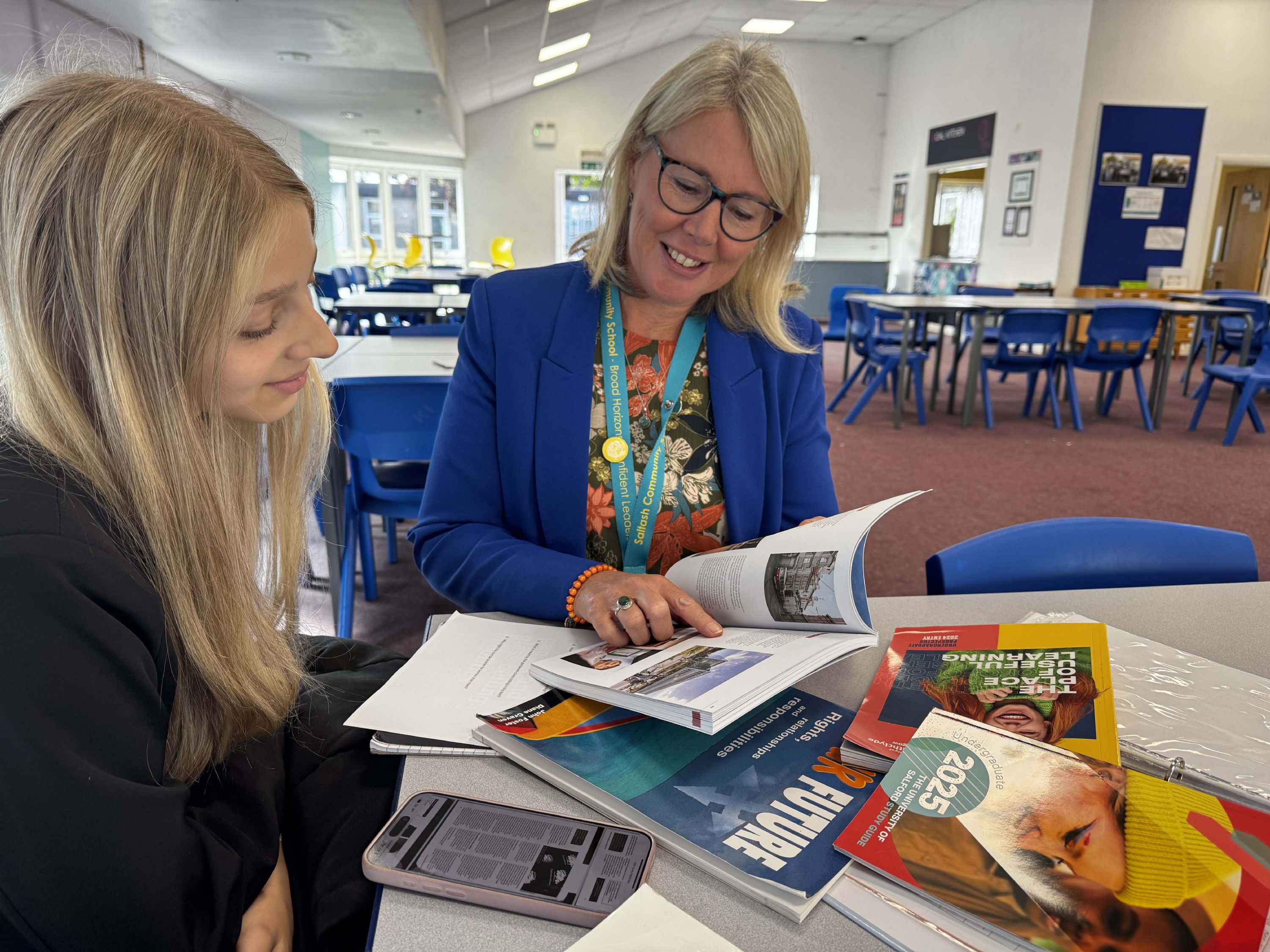
All students, as part of our KS5 offer, have one PD lesson per week within a small class. Lessons are split into three main themes covering topics linked to Living in the Wider World, Health and Wellbeing and Relationships with the intention that students are adequately equipped as young adults in society. To support the learning that is covered in PD lessons, we also have a fortnightly whole-year group session when we invite guest speakers, including several different Universities, Barclays Bank, Brook Health, The Samaritans, Loan Sharks Awareness and other relevant organisations. PD supports students to be the best versions of themselves as members of our sixth form.
 Assessment
There are no assessments within PD
Entry Requirements
- The PD programme is a compulsory part of our Sixth Form.
Future Destinations
PD is where we do the learning and discovery about different destinations and routes, including differing Universities, Degree Apprenticeships and Gap Years, we ensure that all avenues are explored.
Careers and Work Experience
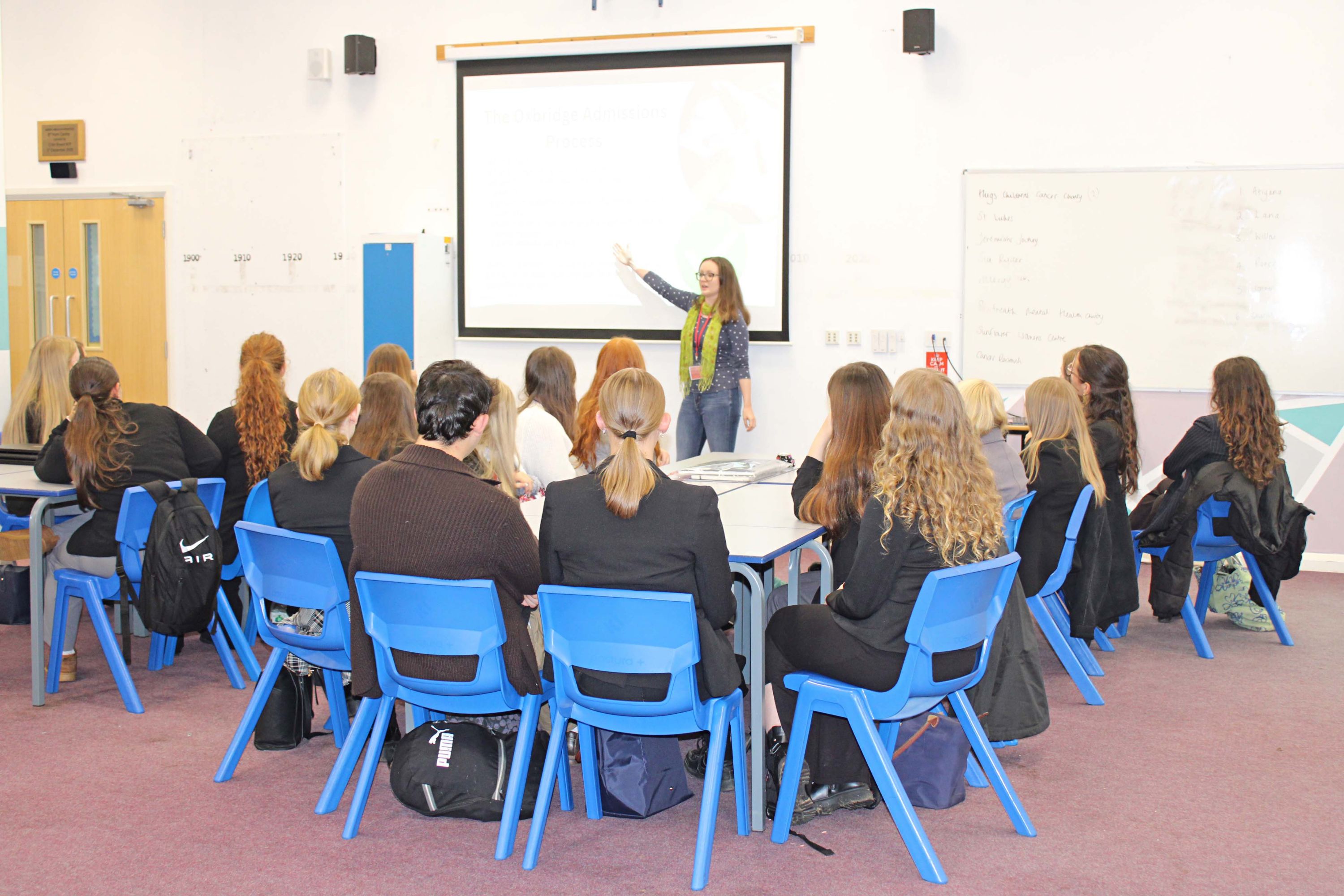
Our Careers Team offer 1:1 specialist careers advice to students throughout Years 12 and 13. Work experience placements form a key part of Year 12 and are a vital gateway to the world of work.
What parents and students have said about work experience:
‘I have thoroughly enjoyed my time at the National Marine Aquarium. I know this is the field of work I want to be in. I have signed up to volunteer with them so I can continue doing what I love. I have found my calling!’
‘PAFC was amazing. I’ve learnt to deal with younger people as well as people who have disabilities, which has enabled me to show more compassion and helped me mature so I can be a real leader.’
‘My son was feeling quite anxious about his placement, but the outcome was very rewarding. He became confident over the week to ask questions and to also work with an array of different people. He is very keen to seek work in the summer, and it has given him the passion to want to do well at school, so he is able to leave with qualifications and seek different paths for the future.
Duke of Edinburgh Silver Award
The Course
The Duke of Edinburgh’s Award is a life-changing adventure. It’s about going the extra mile – learning new skills for work and life, getting fitter, making a difference and broadening your horizons.
Millions of young people in the UK have already done their ‘DofE’. With the help of our expert course coordinator at Saltash, it could be your turn next.
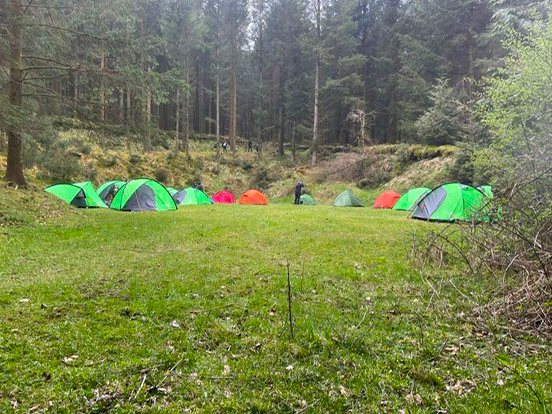
The DofE course comprises of four key areas: volunteering, physical, skills, and an expedition.
 Assessment
Over the course of 12 months, progress in the four key areas is made by students independently.
For example, a student who volunteers at a local library, attends regular yoga sessions for the physical section, and improves their cookery skills would record their hours and progress through these areas on the DofE online platform. The expedition, completed over three days and two nights, is planned and carried out as a team.
Entry Requirements
There is no prior requirement to complete DofE Bronze before tackling Silver, although many students have done so. Most kit required for the expedition aspect can be provided by the school.
Future Destinations
The DofE awards are highly valued by employers across the world. Students who have participated in any level of DofE are seen as independently motivated, organised, and effective communicators. A positive approach to team working and motivation is a key characteristic that employers are looking for.
World Challenge
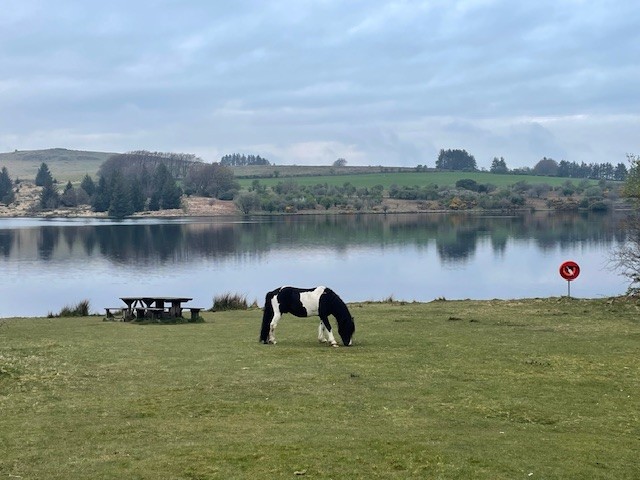
At Saltash Sixth Form, we are proud to offer our students the chance to take part in World Challenge – an unforgettable opportunity that goes far beyond the classroom.
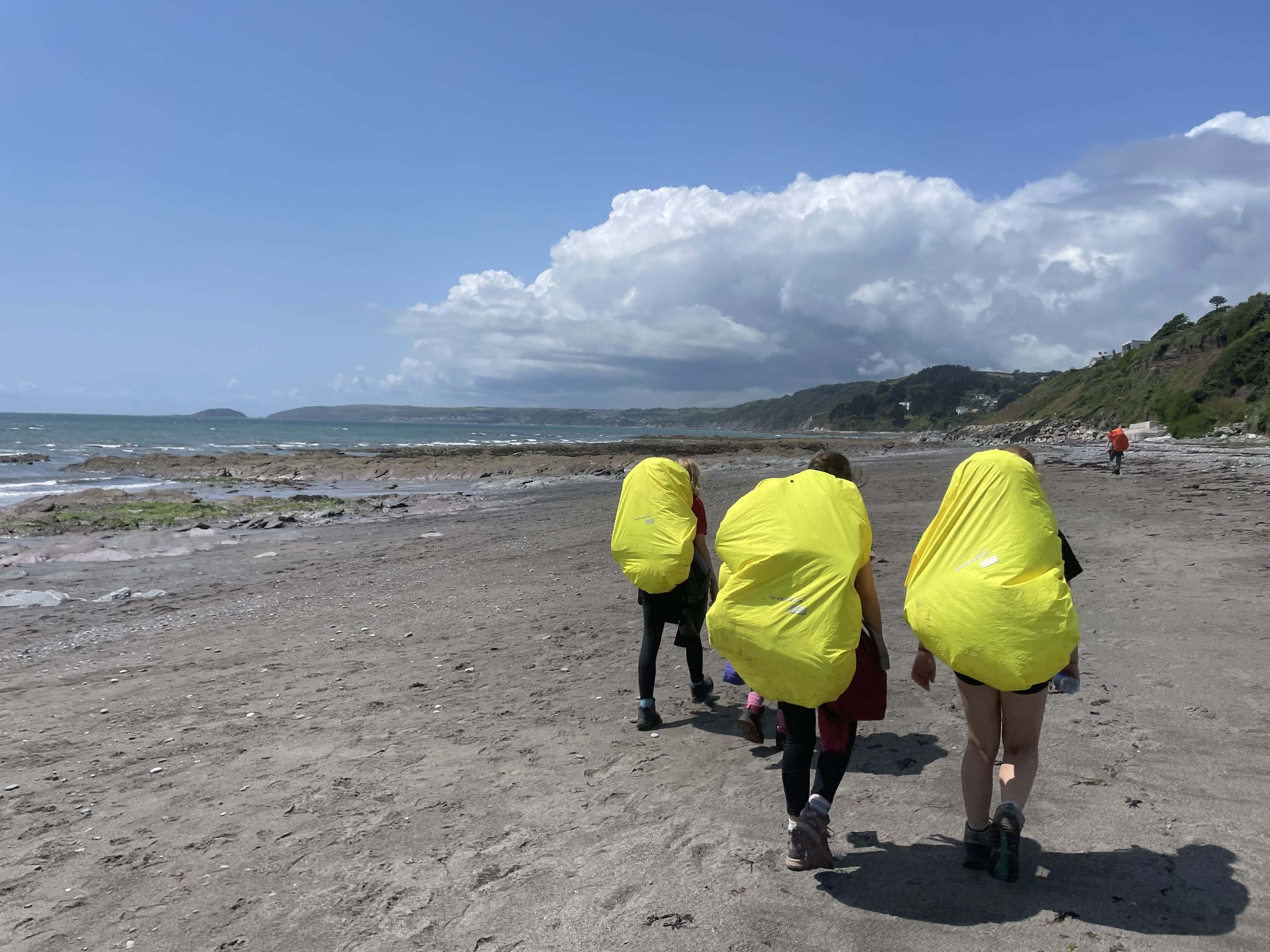
World Challenge expeditions are designed to inspire, motivate, and build confidence in young people. They allow students to step outside their comfort zones, work as part of a team, and develop valuable life skills such as resilience, leadership, and independence.
 Although not part of a formal course, World Challenge is open to all Sixth Form students who want to broaden their horizons and take on a once-in-a-lifetime experience. Past expeditions have taken students to extraordinary destinations across the globe, where they have trekked through stunning landscapes, worked on meaningful community projects, and immersed themselves in new cultures.
This is more than just a trip abroad – it is a chance to make memories that last a lifetime while growing in confidence and gaining skills that will stay with you long after Sixth Form.
With so many exciting destinations and experiences on offer, World Challenge is one of the most enriching opportunities available to Saltash Sixth Form students.

The Extended Project Qualification (EPQ)
 The Course
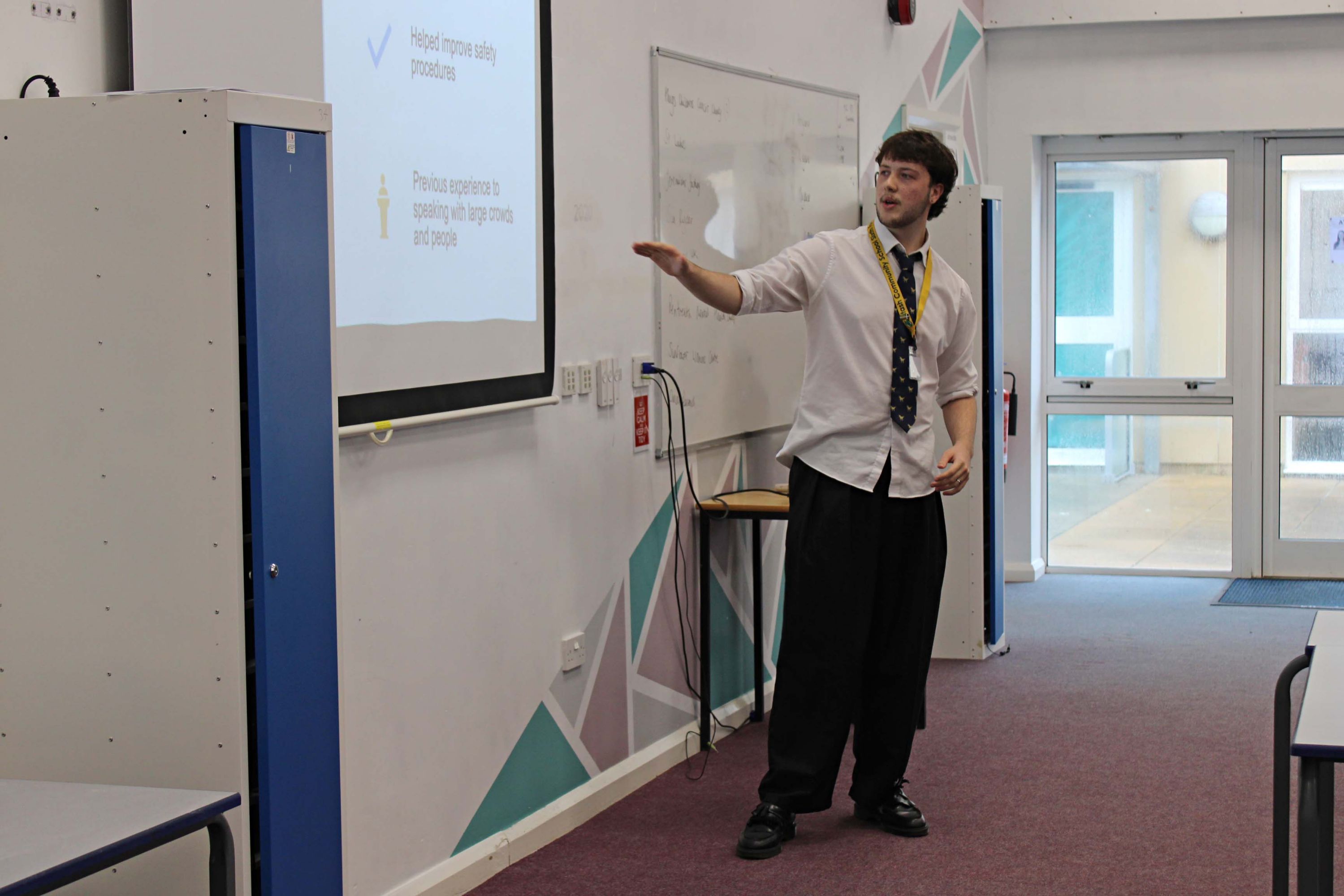
The EPQ at Saltash Sixth Form runs primarily in Year 12 and has proved to be popular with students and teachers alike. It provides an opportunity for students to extend their abilities beyond the A level syllabus, stand out and prepare for university or their future career. It can also be used to earn extra
UCAS points. You will attend and participate in a series of sessions on skills that are relevant to the EPQ but also of wider use, such as research, references, project management, and data analysis. These skills are incredibly valuable in making the transition to university-level education.
Assessment
Your progress through your research project will be tracked and managed through an online production log. The project itself will be either a 5000-word essay on the research topic of your choice, or an artefact, e.g a model, a performance, a short film, a website or piece of software, a design or blueprints AND a 1000 word report reflecting on your project.
Entry Requirements
If you have met the entry requirements to study at Saltash Sixth Form, you can study for the EPQ.
Future Destinations
EPQ grades are worth ‘half’ UCAS points, so a grade B, for example, is worth 20 points. These can be added to your UCAS points from A levels in order to meet the minimum entry requirements for university courses. The independent and research-based nature of the course means that it is a really useful course for anyone with higher education aspirations, and can be an interesting talking point in any interviews.
Core Maths
The Course
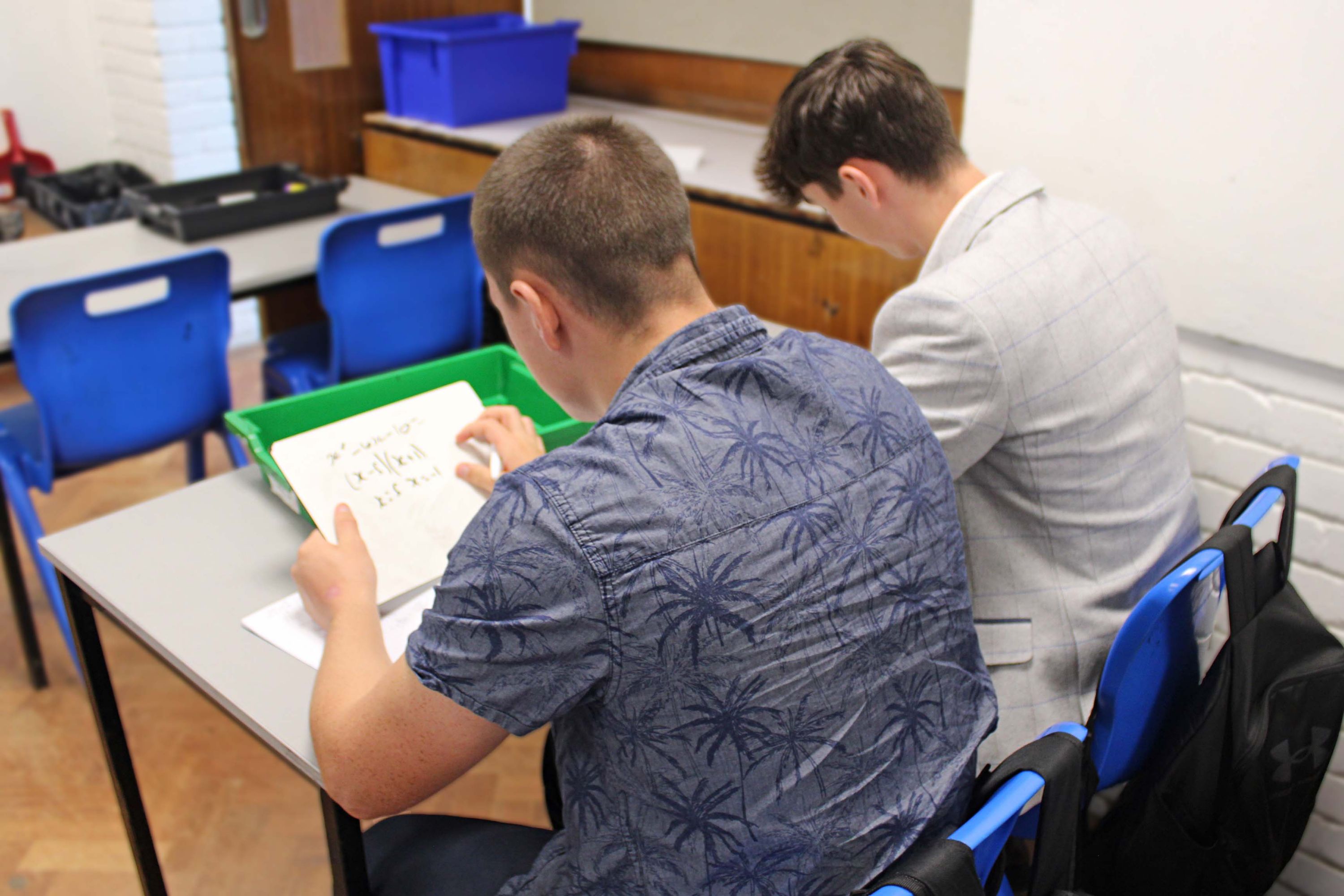
Core Maths is intended for students who have passed GCSE Mathematics at grade 4 or better, but who have not chosen to study AS or A level Mathematics. It can be studied in a single year or over a two-year period and can be taken alongside A levels or other qualifications, including vocational courses.
 Assessment
- Paper 1 90 mins
- Paper 2a 90 mins
Entry Requirements
No entry requirements
Future Destinations
Studying Core Maths helps students develop their quantitative and problem-solving skills. This is valuable preparation for the quantitative skills they will need for many degree courses, particularly subjects such as psychology, geography, business-related courses, sports and social sciences, and natural science courses that do not require AS/A Mathematics.
AS Levels
The Course
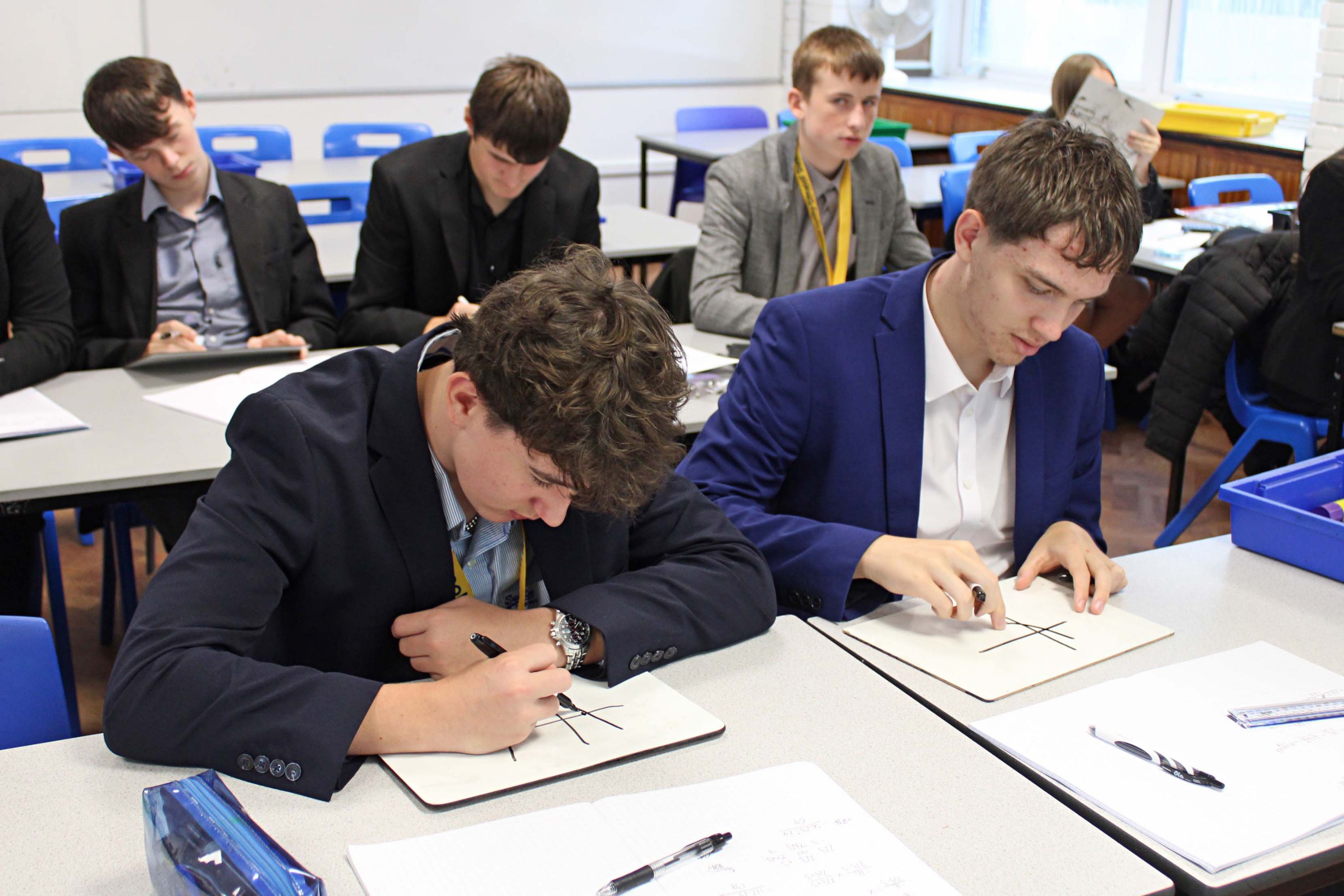
Depending on timetabling details, some A level courses may be offered as AS level options too. This would mean studying for the subject as normal in Year 12, alongside students who are taking the course as a full A level option. Students on AS level pathways would then sit final exams in May/June of Year 12, and receive an AS level certificate in August of that year. Studies would then stop in that subject, so that efforts can focus on the three core A levels.
 Assessment
See relevant course pages for details.
Entry Requirements
See relevant course pages for details.
Future Destinations
AS level grades are worth ‘half’ UCAS points, so a grade B, for example, is worth 20 points. These can be added to your UCAS points from your three core A levels in order to meet the minimum entry requirements for university courses. Having an AS level qualification shows that you have the academic and organisational abilities to tackle four significant subjects at once, and depending on your choice of subject, they can complement your three A levels in order to apply for subject specialisms, such as medicine.